

Does a Cracked Tooth Need to Be Pulled?

A cracked tooth can cause sharp pain when you bite down, sensitivity to cold drinks, or discomfort that comes and goes. Sometimes, the crack is clearly visible. In other cases, the tooth looks normal even though the damage extends beneath its surface. The extent of the fracture determines whether the tooth can be repaired or needs more extensive treatment.
Does a cracked tooth need to be pulled, or is there a way to save it? The answer depends on the depth and location of the crack, the condition of the tooth’s roots, and how much healthy structure remains. Understanding these factors can help you recognize when extraction may be necessary and which treatments could preserve your natural tooth.
Does a Cracked Tooth Always Need to Be Pulled?
A cracked tooth does not always need to be pulled. Minor fractures can often be repaired with dental bonding, fillings, or crowns, while some deeper cracks may require root canal treatment. The goal is to preserve the natural tooth when it can be restored and maintained successfully.
Extraction becomes a consideration when the fracture has severely weakened the tooth or damaged its roots beyond predictable repair. Even a painful crack does not automatically mean the tooth is beyond saving. A thorough examination helps determine whether the remaining structure can support treatment.
When Does a Cracked Tooth Need to Be Pulled?
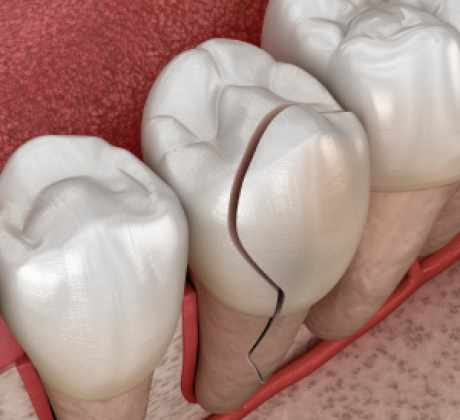
A cracked tooth generally requires extraction when the fracture makes the tooth impossible to restore or significantly compromises its long-term stability. The location of the crack is particularly important because damage extending into the roots or supporting tissues can limit the available treatment options.
Extraction may be recommended in the following situations:
- A severely fractured root: A crack that extends deep into the root can weaken the tooth and affect the surrounding bone and gums.
- A completely split tooth: When a fracture separates the tooth into distinct sections, preserving the entire tooth is usually impossible.
- A vertical root fracture: This type of crack begins within the root and may allow bacteria to reach the surrounding tissues, resulting in infection or bone loss.
- Extensive loss of tooth structure: A tooth that has fractured significantly, especially when combined with decay or a large existing filling, may lack sufficient structure to support a restoration.
- A fracture with a poor long-term prognosis: Deep cracks involving the supporting tissues may leave the tooth unstable even after treatment.
A crack extending below the gumline does not automatically make every tooth unsalvageable. A 2023 article from the American Association of Endodontists explains that selected teeth with deeper cracks may still have favorable outcomes after specialized treatment. However, the extent of the fracture and the remaining tooth structure must be carefully evaluated.
What Types of Cracked Teeth Can Be Saved?
The type of crack is one of the main factors that determines whether extraction is necessary. Some fractures remain confined to the enamel, while others extend through the inner tooth structure or into the roots.
Type of Tooth Crack | Can It Be Saved? | Possible Treatment |
Craze lines | Usually yes | Monitoring or cosmetic treatment |
Fractured cusp | Usually yes | Filling, onlay, or crown |
Cracked tooth | Often, depending on depth | Crown or root canal and crown |
Split tooth | Usually not as a complete tooth | Extraction or preservation of a segment in selected cases |
Vertical root fracture | Often difficult to save | Extraction or specialized treatment in selected cases |
Note: Craze lines are superficial enamel cracks that generally do not affect the tooth’s strength. A fractured cusp, which often develops around a large filling, is also frequently repairable. Deeper cracks require closer evaluation because they may involve the pulp or extend toward the roots.
According to the American Association of Endodontists (AAE), early diagnosis is important for preserving cracked teeth. Once a fracture progresses into a split tooth or extensively damages the roots, treatment becomes more complicated, and extraction is more likely.
How Can a Cracked Tooth Be Fixed Without Pulling It?
Several treatments can restore a cracked tooth without extraction. The appropriate option depends on the amount of damage, whether the pulp is affected, and whether enough healthy tooth structure remains to support the repair.
Dental Bonding or Filling
Dental bonding uses tooth-coloured composite resin to repair minor chips and superficial damage. A filling may also restore a small fractured area when the remaining tooth is stable. These treatments are generally suitable for limited damage rather than deep cracks that weaken the tooth.
Dental Crown
A dental crown covers the visible portion of a damaged tooth, helping support its remaining structure and distribute pressure during chewing. Crowns are commonly recommended for fractured cusps and certain cracked teeth that still have adequate support. Although a crown can help protect the tooth, it cannot guarantee that an existing crack will never progress.
Root Canal Treatment
When a crack reaches the pulp and causes irreversible inflammation or infection, root canal treatment may preserve the tooth. The procedure removes the affected pulp tissue, cleans and seals the root canals, and is often followed by a crown. However, a root canal cannot repair a fracture that has already made the tooth structurally unsalvageable.
What Are the Symptoms of a Cracked Tooth?
A cracked tooth does not always cause constant pain. One characteristic symptom is a sharp sensation when biting or releasing pressure, which occurs because the fractured sections may move slightly during chewing. You may also experience sensitivity when consuming hot or cold foods.
Other symptoms include:
- Intermittent pain that is difficult to locate
- Discomfort when chewing hard foods
- Increased sensitivity to temperature changes
- Tenderness or swelling around the affected tooth
- A visible fracture or broken section of enamel
- Persistent toothache if the pulp becomes inflamed
How Does a Dentist Determine Whether a Cracked Tooth Needs Extraction?
A dental examination is necessary to determine whether a fractured tooth can be saved. Your dentist will assess the visible damage, test how the tooth responds to biting pressure and temperature, and examine the surrounding gums for signs of infection or bone loss.
Dental X-rays can help identify problems affecting the roots and surrounding bone, although fine cracks are not always visible. Additional tests, such as magnification, transillumination, periodontal probing, or CBCT imaging in selected cases, may provide more information. The decision to repair or extract the tooth depends on these findings and its expected long-term stability.
What Happens If You Leave a Cracked Tooth Untreated?
A structural crack cannot heal naturally because enamel and dentin do not regenerate across a fracture. While harmless craze lines may remain unchanged, deeper cracks can worsen under repeated chewing pressure, particularly if you grind or clench your teeth.
As the fracture progresses, bacteria may reach the pulp and cause inflammation or infection. A tooth that could initially be restored with a crown may eventually require root canal treatment or extraction. If an infection develops, it may also affect the surrounding gums and jawbone.
Early treatment does not guarantee that every cracked tooth can be saved, but it may prevent further damage and improve the chances of a successful restoration.
What Should You Do If You Have a Cracked Tooth?
If you suspect a cracked tooth, arrange a dental examination promptly rather than waiting for the pain to become severe. Until the tooth has been assessed, take precautions to avoid placing additional pressure on the damaged area.
- Avoid chewing on the affected side of your mouth.
- Choose soft foods and avoid ice, hard candy, and other hard items.
- Rinse gently with warm salt water to keep your mouth clean.
- Use an over-the-counter pain reliever when appropriate, following the recommended dosage.
- Avoid placing aspirin directly against your tooth or gums.
- Do not attempt to seal the crack with glue or household materials.
What Happens If a Cracked Tooth Has to Be Pulled?
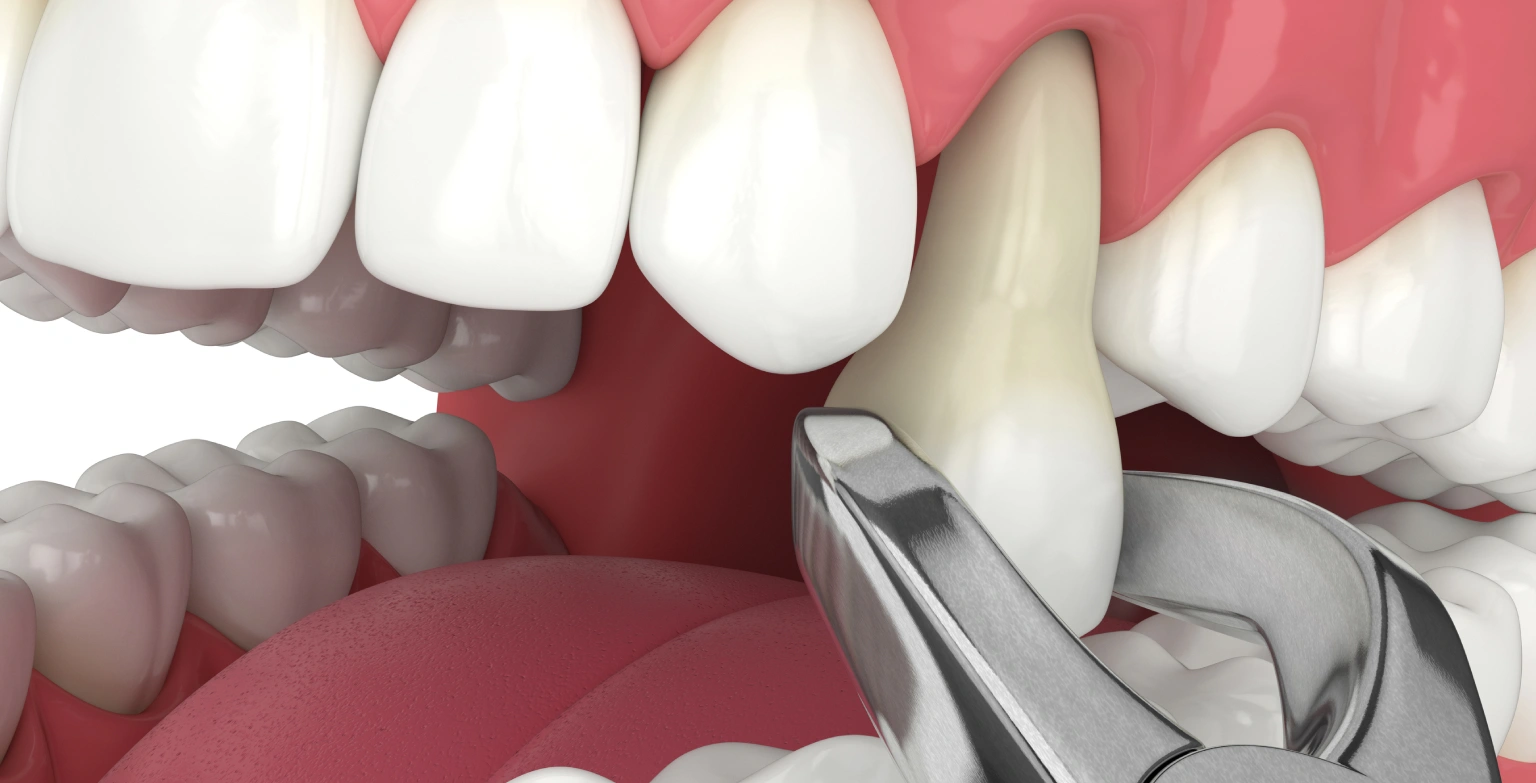
If the tooth cannot be saved, extraction involves removing it under local anesthesia. The procedure may be straightforward or require surgical removal, depending on the condition of the tooth and roots. Afterward, the extraction site needs time to heal before certain replacement treatments can be completed.
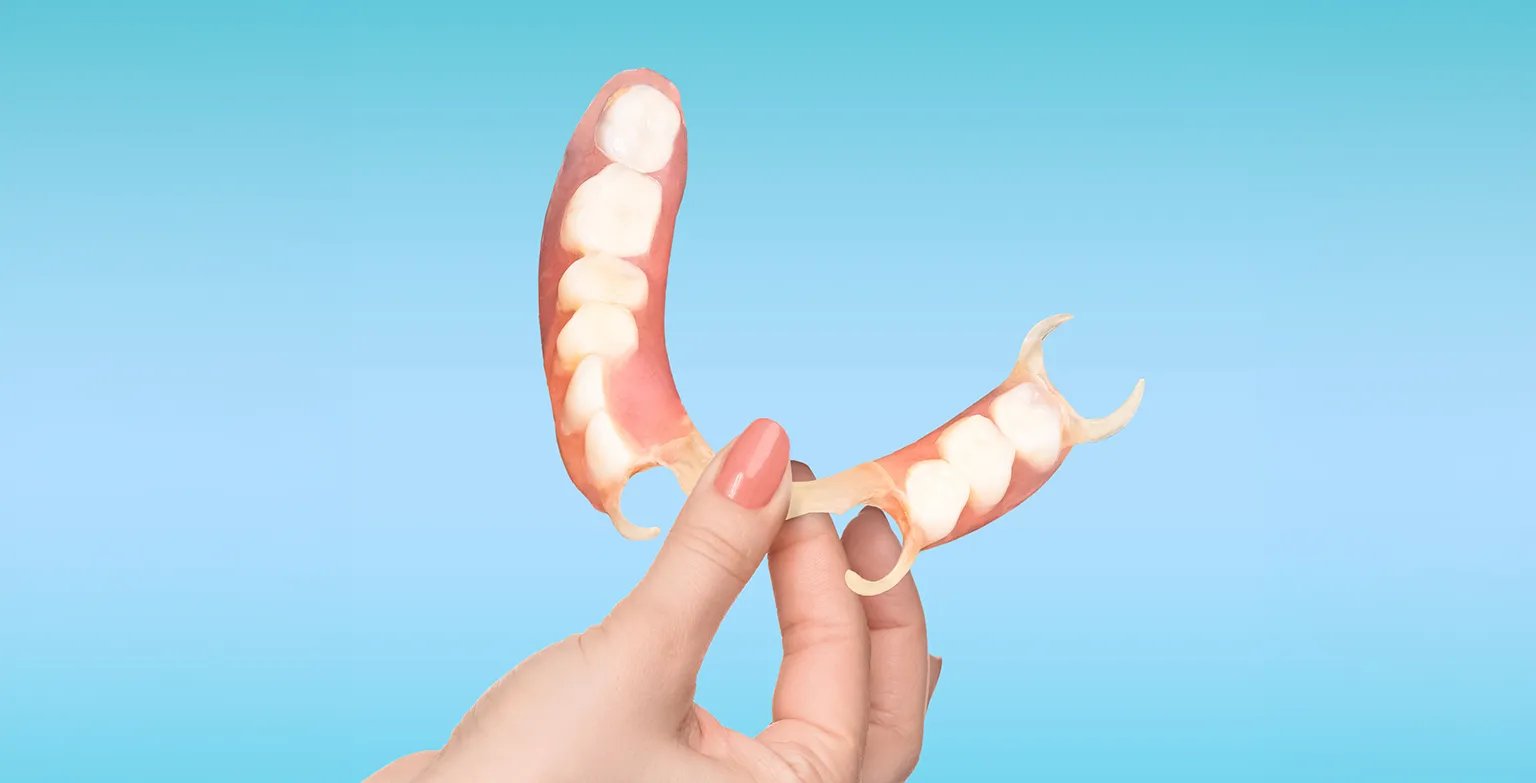
Replacing a missing tooth can help restore chewing function and prevent unwanted changes in the surrounding bite. Options may include dental implants, bridges, or removable partial dentures. The most suitable treatment depends on the location of the missing tooth, the condition of neighboring teeth, and the available jawbone support.
Book Your Cracked Tooth Consultation in Brookline, MA
If you have a cracked or painful tooth, Brookline Smile Artists can assess the damage and explain whether the tooth can be saved. Dr. Gary Login and Dr. Danielle Slater provide comprehensive dental evaluations and personalized restorative treatment options.
Call (617) 982-2980 to schedule your appointment, or visit Brookline Smile Artists at 209 Harvard Street, Suite 402, Brookline, MA 02446.
FAQs
Does a Cracked Tooth Need to Be Pulled if It Doesn't Hurt?
Can a Cracked Molar Be Saved With a Crown?
Can a Cracked Tooth Be Saved if the Root Is Damaged?

If you are looking for a dentist in Brookline, MA, schedule your consultation with the team at Brookline Smile Artists. We offer Cosmetic and Restorative Dentistry. We are located at 209 Harvard Street, Suite 402 in Brookline. Our office hours are Monday through Thursday from 7:30 AM to 5:30 PM and Friday from 8:00 AM to 2:00 PM.


One of the top rated dentists in Brookline, MA