

What Are the Risks of Dental Implants?

Dental implants are a reliable option for replacing missing teeth, with studies reporting high survival rates over 10 years. However, like any surgical procedure, implant placement carries certain risks. Some complications can develop during the initial healing period, while others may appear several years after treatment.
What are the risks of dental implants, and how can you reduce them? Your overall health, jawbone condition, oral hygiene, and daily habits can influence the outcome. Understanding these factors can help you make an informed decision and recognize potential problems early. This guide explains the potential complications, who may face a higher risk, and practical ways to protect your implants.
Are Dental Implants Safe?
A 2019 systematic review published in the Journal of Dentistry reported a 10-year implant survival rate of 96.4%, although a sensitivity analysis that accounted for missing follow-up data estimated 93.2%. These findings demonstrate the long-term reliability of dental implants, but survival does not necessarily mean the absence of complications. Some implants remain functional despite requiring treatment for inflammation, loose components, or other problems.
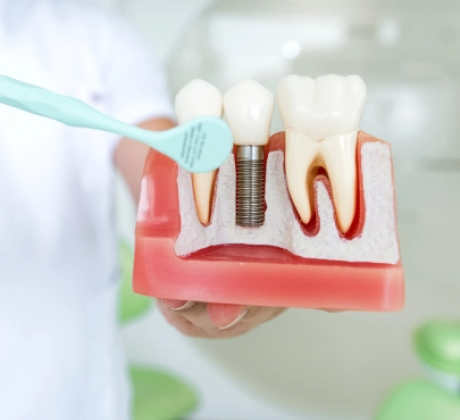
Are Dental Implants Safe?
Dental implants are generally safe for adults with good oral health and adequate jawbone support. Most implants are made from titanium or zirconia, materials that are widely used in dental procedures because of their biocompatibility. The implant is surgically placed into the jawbone, where it gradually integrates with the surrounding bone to support a replacement tooth.
A 2019 systematic review published in the Journal of Dentistry reported a 10-year implant survival rate of 96.4%, although a sensitivity analysis that accounted for missing follow-up data estimated 93.2%. These findings demonstrate the long-term reliability of dental implants, but survival does not necessarily mean the absence of complications. Some implants remain functional despite requiring treatment for inflammation, loose components, or other problems.
What Are the Risks of Dental Implants?
Dental implant complications can involve the surrounding gums, jawbone, nerves, sinuses, or the implant components. While some are relatively common and manageable, others are uncommon but can have serious consequences if they are not identified and treated promptly.
1. Infection Around the Implant (Peri-Implantitis)
Peri-implantitis is a long-term complication that causes inflammation and progressive bone loss around a dental implant. It develops when bacteria accumulate along the gumline and trigger an inflammatory response that damages the supporting tissues. Early symptoms may include bleeding, redness, swelling, or discomfort, although the condition can also progress without noticeable pain.
A 2025 systematic review published in the Journal of Periodontology estimated that peri-implantitis affected approximately 21% of implant patients across the studies analyzed. The same review reported peri-implant mucositis, a milder form of inflammation without progressive bone loss, in approximately 46% of patients. Unlike peri-implantitis, mucositis is generally reversible with proper plaque control and professional care.
2. Implant Failure Due to Poor Bone Integration
Dental implants depend on a healing process called osseointegration, during which the jawbone forms a stable connection with the implant surface. If this process is disrupted, the implant may fail to achieve adequate stability and can become loose within the first few months after surgery. Insufficient bone support, infection, smoking, and certain medical conditions can interfere with healing, while excessive biting pressure during recovery may further increase the risk.
When an implant fails to integrate with the bone, it usually needs to be removed. After the surrounding tissues have healed, another implant may be possible, although some patients require additional procedures, such as bone grafting, to restore adequate support. The treatment approach depends on the cause of failure and the condition of the remaining bone.
3. Nerve Damage
Nerve damage is an uncommon but potentially serious complication, particularly when implants are placed in the lower jaw near the inferior alveolar nerve. This nerve provides sensation to the lower lip, chin, and parts of the teeth and gums. If the implant or surgical instruments injure or compress the nerve, you may experience numbness, tingling, burning pain, or changes in sensation.
Some nerve injuries improve naturally as the surrounding tissues heal, but more severe cases can result in persistent or permanent sensory changes. Careful treatment planning, including appropriate diagnostic imaging, helps identify the location of nearby nerves and reduces the likelihood of injury during implant placement.
4. Sinus Complications
Dental implants placed in the upper back jaw may affect the maxillary sinuses, which are located directly above the roots of the upper molars and premolars. If the available bone is too thin or the implant extends into the sinus cavity, the procedure may damage the sinus lining. This can lead to discomfort, sinus pressure, congestion, or recurring infections.
Patients with insufficient bone height in this area may require a sinus lift before or during implant placement. This procedure increases the available bone support beneath the sinus. Evaluating the sinus anatomy and bone dimensions through appropriate imaging helps determine whether additional treatment is necessary to reduce the risk of complications.
5. Damage to Nearby Teeth or Jawbone
Dental implant surgery can occasionally damage the roots of neighboring teeth or the surrounding jawbone, particularly when the available space is limited. An implant placed too close to an adjacent tooth may injure its root or supporting tissues. In rare cases, drilling or excessive force during placement can also contribute to a jawbone fracture, especially when the bone is thin or severely weakened.
These injuries may affect the health and stability of nearby teeth and sometimes require additional treatment. Assessing the available bone, spacing between teeth, and position of neighboring roots before surgery helps reduce the likelihood of accidental damage.
6. Loose Screws and Bite Problems
A dental implant consists of a titanium or ceramic post, an abutment that connects the post to the restoration, and a replacement crown or prosthesis. Over time, the connecting screw or restoration may loosen because of excessive biting pressure, teeth grinding, or repeated mechanical stress. You may notice clicking, movement when chewing, or changes in how your upper and lower teeth fit together.
A loose crown or abutment does not necessarily mean the implant itself has failed. However, leaving the problem untreated can place additional stress on the components and potentially cause further damage. Depending on the cause, treatment may involve tightening or replacing a screw, adjusting the bite, or repairing the restoration.
7. Gum Recession and Bone Loss
Healthy gums and adequate jawbone support are essential for maintaining the stability and appearance of dental implants. Gum recession occurs when the tissue surrounding an implant gradually pulls back, sometimes exposing the implant surface or connecting components. Thin gum tissue, inflammation, implant positioning, and aggressive brushing can contribute to this condition.
Bone loss may also develop because of peri-implantitis or other problems affecting the supporting tissues. As gum recession or bone loss progresses, cleaning around the implant can become more difficult, increasing the risk of further complications. Treatment depends on the underlying cause and may involve professional cleaning, improved oral hygiene, gum grafting, or other procedures to protect the remaining tissues.
Who Is at Higher Risk of Dental Implant Failure?
Although dental implants have a high long-term survival rate, certain health conditions and lifestyle habits can interfere with healing or increase the risk of complications. Identifying these factors before treatment allows appropriate precautions to be taken.
Some of the important risk factors include:
- Smoking: Tobacco reduces blood flow to the gums, interferes with healing, and increases the risk of implant failure and peri-implantitis.
- Uncontrolled diabetes: Poorly managed blood sugar can delay wound healing and increase susceptibility to infection after implant placement.
- History of gum disease: Patients who have experienced periodontitis face a higher risk of developing inflammatory complications around implants.
- Insufficient jawbone: Inadequate bone volume or poor bone quality can affect implant stability and may require bone grafting before placement.
- Teeth grinding (bruxism): Persistent grinding or clenching can place excessive pressure on the implant restoration and its connecting components.
- Previous radiation therapy: Radiation treatment involving the head or neck can affect bone healing and increase the risk of implant-related complications.
- Poor oral hygiene: Inadequate plaque removal allows bacteria to accumulate around implants, increasing the likelihood of gum inflammation and bone loss.
What Are the Warning Signs of Dental Implant Failure?
Some discomfort, swelling, and minor bleeding are expected during the first few days after implant surgery. These symptoms should gradually improve as the tissues heal. However, persistent pain, increasing swelling, or changes in implant stability may indicate a complication that requires professional attention.
Watch for the following warning signs:
- Persistent or worsening pain: Discomfort that becomes more severe instead of improving after surgery.
- Loose implant or crown: Movement, clicking, or instability when biting or chewing.
- Swollen or bleeding gums: Persistent redness, tenderness, or bleeding around the implant.
- Pus or an unpleasant taste: Discharge, persistent bad breath, or a bad taste that may indicate infection.
- Gum recession: Gum tissue pulling away from the restoration or exposing implant components.
- Numbness or tingling: Altered sensation in the lips, chin, or tongue that persists after the local anesthetic should have worn off.
These symptoms do not always indicate complete implant failure, but delaying treatment may allow an underlying problem to worsen. Seek prompt evaluation if you notice any unusual changes around your implant. Fever or spreading facial swelling requires urgent assessment, while difficulty breathing or swallowing requires immediate emergency medical care.
How Can You Reduce the Risk of Dental Implant Complications?
Reducing the risk of dental implant complications begins with proper preparation and continues long after the implant has healed. Your general health, oral hygiene, and regular maintenance all influence the stability of the implant and the condition of the surrounding tissues.
The following steps can help protect your implant:
- Stop smoking before treatment: Avoid tobacco during the healing period and consider long-term smoking cessation to support gum and bone health.
- Manage underlying medical conditions: Work with your healthcare provider to control diabetes and other conditions that may interfere with healing.
- Treat existing gum disease: Address active gum disease before implant placement to reduce the likelihood of infection.
- Maintain proper oral hygiene: Brush twice daily and clean around your implant using floss, interdental brushes, or other recommended cleaning tools.
- Protect against teeth grinding: If you grind or clench your teeth, a custom night guard may help limit excessive pressure on the implant restoration.
- Follow postoperative instructions: Follow the recommended cleaning, dietary, and medication guidance during the healing period, and attend scheduled follow-up visits.
- Schedule regular professional cleanings: Routine examinations and maintenance allow early identification of inflammation, bone loss, or loose implant components.
Are Dental Implants Worth the Risks?
Dental implants remain an effective long-term option for replacing missing teeth, and most patients experience successful outcomes. However, their reliability depends on more than the surgical procedure itself. Your bone health, medical history, oral hygiene, and ongoing maintenance all influence the likelihood of complications.
Understanding the risks allows you to make an informed treatment decision and recognize problems before they become more serious. With careful planning, appropriate treatment of existing conditions, and consistent follow-up care, many potential complications can be reduced or managed effectively.
Book Your Dental Implant Consultation in Brookline, MA
If you are concerned about the risks of dental implants, the team at Brookline Smile Artists can help you understand whether treatment is suitable for your oral health and individual needs.
Dr. Gary Login, and Dr. Danielle Slater, bring advanced implant training to patient care. Our team evaluates your medical history, gum health, and jawbone condition to develop a personalized dental implant treatment plan.
Call (617) 982-2980 to schedule your consultation, or visit Brookline Smile Artists at 209 Harvard Street, Suite 402, Brookline, MA 02446.
FAQs
What Are the Risks of Dental Implants for Older Adults?
Can Your Body Reject a Dental Implant?
Can a Failed Dental Implant Be Replaced?

If you are looking for a dentist in Brookline, MA, schedule your consultation with the team at Brookline Smile Artists. We offer Cosmetic and Restorative Dentistry. We are located at 209 Harvard Street, Suite 402 in Brookline. Our office hours are Monday through Thursday from 7:30 AM to 5:30 PM and Friday from 8:00 AM to 2:00 PM.

One of the top rated dentists in Brookline, MA