

How to Stop Wisdom Tooth Pain?

Wisdom teeth are the last molars to develop, usually appearing between the ages of 17 and 25. Since they sit at the very back of the mouth, they may not have enough space to erupt properly and can be difficult to clean. This can lead to pain, swelling, pressure, infection, or irritation around nearby teeth.
If you are wondering how to stop wisdom tooth pain, the right solution depends on the cause. Mild discomfort may improve with short-term home care, but a dentist should examine pain linked to impaction, infection, decay, or gum inflammation. A professional evaluation helps identify the source of the pain and prevents the problem from becoming more serious.
What Causes Wisdom Tooth Pain?
Wisdom tooth pain usually has an underlying cause. Identifying the cause of the discomfort helps determine whether home care is sufficient or dental treatment is needed.
Common causes include:
- Eruption: A wisdom tooth pushing through the gum can cause soreness, pressure, and tenderness.
- Impaction: A wisdom tooth may become trapped under the gum or bone. It can grow at an angle and press against nearby teeth.
- Pericoronitis: A partially erupted wisdom tooth can leave a flap of gum tissue that traps food and bacteria, leading to infection and swelling.
- Tooth decay: Wisdom teeth are harder to brush and floss, which makes them more likely to develop cavities.
- Gum disease: Bacteria around a wisdom tooth can irritate the surrounding gum tissue and cause inflammation.

Home remedies may calm mild discomfort, but they do not correct the underlying issue when pain is caused by impaction, infection, or decay. If pain keeps returning, a dental exam is the safest next step.
How to Stop Wisdom Tooth Pain at Home?
Home remedies can reduce discomfort, control swelling, and help keep the area clean while you wait for a dental appointment. These methods are meant for temporary relief and should not replace professional care if symptoms are severe or persistent.
- Salt water rinse: Mix half a teaspoon of salt into a cup of warm water. Swish gently for about 30 seconds, three to four times a day. This can help clean the area and reduce bacteria.
- Cold compress: Hold an ice pack against the outside of your cheek for 15 minutes at a time. Cold therapy can help numb the area and reduce swelling.
- Clove oil: Clove oil contains eugenol, which has a natural numbing effect. Apply a very small amount to the sore gum with a cotton ball. Avoid using too much, as it can irritate the tissue.
- Over-the-counter pain relievers: Ibuprofen may help reduce pain and swelling. Acetaminophen may help relieve pain. Always follow the dosage instructions on the label and avoid taking medication that is not safe for you.
- Alcohol-free antibacterial mouthwash: A gentle antibacterial rinse may help reduce bacteria around the tooth, especially if the area is difficult to brush.
If pain lasts more than a few days, worsens, or keeps returning, the cause should be evaluated by a dentist.
What Dental Treatments Help Wisdom Tooth Pain?
Dental treatment focuses on the source of the pain, not just the symptoms. Your dentist may examine the area and take a dental X-ray to check the position of the wisdom tooth, look for infection, and see whether nearby teeth are affected.
Depending on the cause, treatment may include:
- Deep cleaning and irrigation: Your dentist may flush out food, plaque, and bacteria trapped under the gum flap around a partially erupted wisdom tooth. This can help reduce inflammation and discomfort.
- Prescription mouthwash: A chlorhexidine rinse may be recommended to help control bacteria around the affected area.
- Antibiotics: If an infection is present, antibiotics may be prescribed before further treatment is performed.
- Operculectomy: If the wisdom tooth is erupting in a healthy position, your dentist may remove the gum flap covering the tooth so food and bacteria no longer get trapped.
These treatments may help when the wisdom tooth can be safely preserved. However, if the tooth is impacted, repeatedly infected, decayed, or damaging nearby teeth, removal may be the better long-term solution.
When Is Wisdom Tooth Removal Necessary?
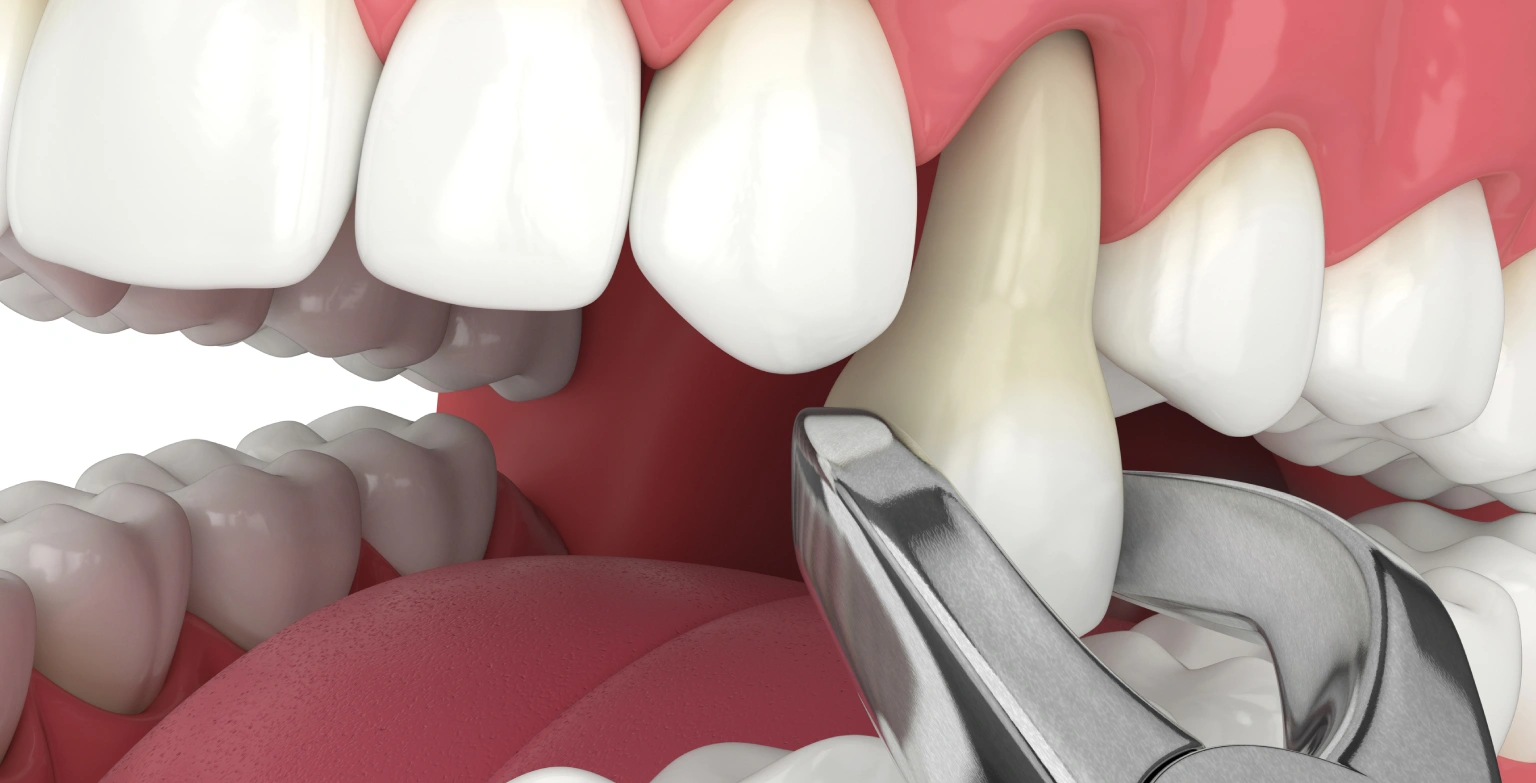
Wisdom tooth removal may be recommended when a tooth continues to cause pain, infection, swelling, or damage to nearby teeth. In these cases, extraction can be the most effective way to stop recurring symptoms and prevent future complications.
Your dentist may recommend removal if you have:
- Repeated infection or gum inflammation
- Decay in a partially erupted wisdom tooth
- Damage to the neighboring molar
- Impaction under the gum or bone
- Cysts or other changes around the tooth
When Should You See a Dentist for Wisdom Tooth Pain?
Mild soreness from a wisdom tooth may improve within a few days. However, pain that does not settle or symptoms that suggest infection should be evaluated by a dentist.
See a dentist if you have:
- Pain that lasts more than three days
- Swelling in the gum, jaw, or face
- Pus, a bad taste, or persistent bad breath
- Fever or swollen lymph nodes
- Difficulty opening your mouth
- Pain when chewing or swallowing
- Wisdom tooth pain that keeps coming back
These signs may point to infection, impaction, decay, or gum inflammation that home care cannot resolve. Severe swelling, difficulty breathing, or trouble swallowing may indicate a dental emergency and should be treated immediately.
How Can You Prevent Wisdom Tooth Pain?
You cannot always prevent wisdom tooth pain, especially if the tooth is impacted or does not have enough room to erupt. However, good oral hygiene and regular dental visits can lower your risk of infection, decay, and gum inflammation.
To reduce your risk:
- Brush twice a day, including the back molars.
- Floss daily to remove plaque between teeth.
- Use an antibacterial mouthwash if your dentist recommends one.
- Visit your dentist regularly for exams and cleanings.
- Get dental X-rays when recommended so your dentist can monitor the development of your wisdom teeth.
Conclusion
So, how to stop wisdom tooth pain? Wisdom tooth pain can come from eruption pressure, impaction, infection, tooth decay, or gum inflammation. Home remedies such as salt water rinses, cold compresses, and over-the-counter pain relievers may provide short-term relief, but they do not treat the root cause. If the pain lasts, worsens, or keeps returning, a dental exam is the best way to find the cause and choose the right treatment.
Get Lasting Relief From Wisdom Tooth Pain
Wisdom tooth pain should not be ignored, especially when it keeps coming back or affects eating, sleeping, or daily comfort. Brookline Smile Artists can examine your wisdom tooth, identify the cause of your pain, and recommend the right treatment to relieve discomfort and prevent future problems.
Call (617) 982-2980 to book your consultation, or visit 209 Harvard Street, Suite 402, Brookline, MA 02446.
FAQs
How long does wisdom tooth pain last?
What is the fastest way to stop wisdom tooth pain?
Can wisdom tooth pain go away without removal?

If you are looking for a dentist in Brookline, MA, schedule your consultation with the team at Brookline Smile Artists. We offer Cosmetic and Restorative Dentistry. We are located at 209 Harvard Street, Suite 402 in Brookline. Our office hours are Monday through Thursday from 7:30 AM to 5:30 PM and Friday from 8:00 AM to 2:00 PM.


One of the top rated dentists in Brookline, MA