

How New Dental Crowns Are Made: Step-by-Step Guide

New dental crowns restore damaged teeth by capping them with custom-made, tooth-shaped covers crafted from durable materials like ceramic or porcelain. At Brookline Smile Artists, we use cutting-edge technology to ensure every new dental crown fits perfectly and blends seamlessly with your natural smile. This process combines digital precision and artistry for results that last for years.
What are Dental Crowns?
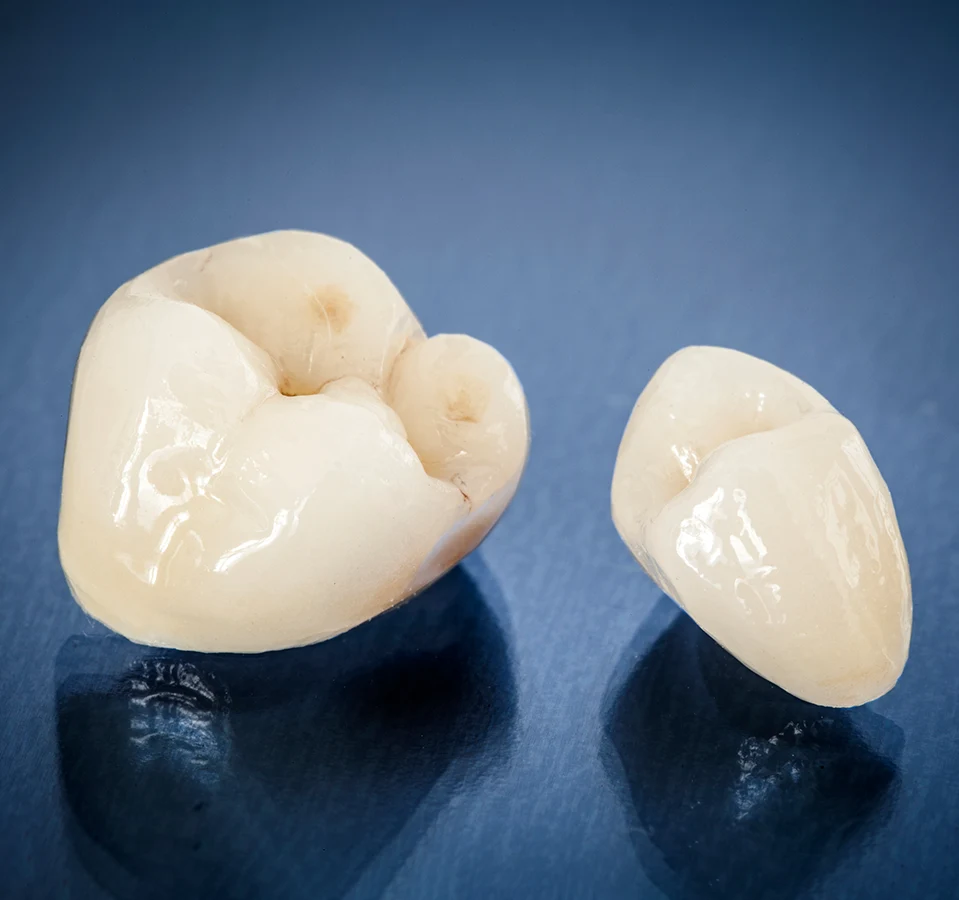
How are Dental Crowns Prepared?
The preparation involves several precise steps to ensure a perfect fit and long-lasting results:
Initial Consultation and Preparation
The journey for new dental crowns begins with a thorough exam at our Brookline office. Dentists numb the area, reshape the damaged tooth to create space for the crown, and take digital scans or impressions to capture exact dimensions. These scans feed into computer-aided design (CAD) software, allowing for a virtual preview of your new dental crown before any material is touched.
Temporary crowns protect the tooth during this phase, which typically spans one to two weeks for lab-fabricated options. This preparation ensures the final new dental crown provides strength and aesthetics without compromising bite alignment.
Digital Design with CAD/CAM Technology
Modern dental crown fabrication uses advanced CAD/CAM technology, which has transformed the process entirely. After capturing detailed digital scans of the prepared tooth, the data generates a highly accurate 3D model. Dentists then digitally refine the crown’s shape, size, and color to ensure a natural and precise fit. This digital approach eliminates the need for traditional molds, minimizing errors and shortening appointment times.
For same-day crowns, CEREC technology allows the entire design and fabrication process to happen on-site. The software also compensates for material shrinkage, sometimes up to 30%, ensuring the crown fits perfectly after production.
Milling and Shaping the Core
Milling and shaping the core is a precise process where a computer-guided milling machine carves the dental crown from a solid block of materials such as zirconia or porcelain. Following the detailed CAD blueprint, the machine removes excess material layer by layer to create an oversized core. This extra size compensates for the shrinkage that occurs during the high-temperature firing process, ensuring the final crown fits perfectly. This automated technique achieves natural tooth contours with a level of accuracy and consistency that manual methods cannot match.
The core, also known as the coping, serves as the crown’s strong foundation. Materials like alumina and lithium disilicate are used for their exceptional strength and natural translucency, offering aesthetics that are superior to traditional metal cores. These qualities make them especially suitable for front teeth, where appearance is key.
Layering, Firing, and Finishing
In the layering, firing, and finishing stage, liquid ceramic or porcelain is carefully applied over the milled core and then fired in a high-temperature oven. This firing process fuses the materials and causes them to shrink to the precise final size. Skilled technicians build up multiple porcelain layers to create natural color variation and texture, enhancing translucency that mimics the way real enamel reflects light. After layering, the crown is polished and glazed to achieve a smooth, natural sheen.
Before permanent cementation, a plastic replica ensures the fit is perfect. Multiple firings strengthen the crown, making it highly durable and wear-resistant.
Placement and Aftercare
During the final visit, the permanent new dental crown is cemented over the prepared tooth using a strong adhesive. X-rays verify seating, and adjustments ensure comfort. Patients leave with a restored tooth that functions and looks authentic.
Aftercare Pro-Tips:
- Avoid eating hard or sticky foods for at least 24 hours to allow the cement to set fully.
- Maintain diligent oral hygiene with gentle brushing and flossing around the crown to prevent plaque buildup.
- Use a non-abrasive toothpaste to preserve the crown’s finish and prevent scratches.
- Avoid using teeth as tools (e.g., opening packages) to prevent damage.
- Schedule regular dental cleanings every six months at Brookline Smile Artists to monitor crown condition and overall oral health.
- If sensitivity occurs, use a toothpaste formulated for sensitive teeth and avoid extreme temperature foods temporarily.
Material Options for New Dental Crowns
New dental crowns come in several material options tailored to strength, aesthetics, and location in the mouth. Porcelain-fused-to-metal (PFM) combines a metal base with porcelain overlay for durability and natural appearance, suitable for back teeth. All-ceramic or zirconia crowns provide excellent translucency for front teeth, resisting wear while mimicking enamel’s light reflection.
E-max lithium disilicate offers superior fracture resistance for both aesthetics and function. Composites serve as budget-friendly temporaries but lack longevity for permanents. At Brookline Smile Artists, material choice depends on bite force, visibility, and allergies for optimal new dental crowns.
Are New Dental Crowns Painful to Get?
New dental crowns involve minimal pain thanks to local anesthesia during tooth preparation, numbing the area completely. Patients may feel pressure from drilling or impressions, but no sharp pain; post-procedure soreness resolves in days with over-the-counter relief. Sensitivity to hot/cold can occur temporarily as gums heal.
Advanced techniques at Brookline Smile Artists, like laser preparation, further reduce discomfort. Most report feeling normal within 24-48 hours, with temporary crowns minimizing exposure.
Myths vs. Facts
Separating truth from fiction helps patients feel confident about dental crowns:
- Myth: Getting a crown is very painful.
Fact: Local anesthesia makes the procedure virtually painless. Most patients experience only mild pressure and brief sensitivity afterward. - Myth: Crowns look fake and obvious.
Fact: Modern materials and digital design create crowns that closely mimic natural teeth in color and translucency. - Myth: Crowns don’t last long.
Fact: With good care, crowns can last 15-20 years or more, offering durable protection and function. - Myth: You don’t need to care for a crowned tooth differently.
Fact: Crowns require the same diligent oral hygiene as natural teeth to prevent decay at the margins and ensure lasting success. - Myth: Crown placement weakens the tooth.
Fact: While some tooth structure is reduced during preparation, the crown restores strength and protects the tooth from further damage.
Ready for Your New Dental Crown?
Understanding how new dental crowns are made reveals the blend of technology and craftsmanship that delivers durable, beautiful smiles. From digital scans to final polishing, each step ensures precision tailored to your needs at Brookline Smile Artists. Experience the difference with crowns built to last.
Ready to restore your smile with a custom new dental crown? Contact Brookline Smile Artists today at (617) 982-2980 or visit 209 Harvard Street, Suite 402, Brookline, MA 02446 to schedule your consultation.
Restore Your Smile Today at Brookline Smile Artists
Broken veneers may seem like a setback, but with the right dental care, they’re only a temporary bump on the road to maintaining a radiant smile. Whether your veneer needs quick bonding, professional reattachment, or a complete replacement, proactive attention and expert craftsmanship make all the difference.
At Brookline Smile Artists, we provide trusted, high-quality veneer repair and replacement services to restore confidence in your smile. Visit us at 209 Harvard Street, Suite 402, Brookline, MA 02446, or call (617) 982-2980 to schedule your veneer consultation today.
FAQs
How long does it take to make new dental crowns?
Most lab-made new dental crowns require 1-2 weeks for custom fabrication in a dental lab, while advanced in-office CAD/CAM systems like CEREC complete the entire process in a single visit for faster results.
What materials are used for new dental crowns?
Common options include porcelain-fused-to-metal for durability, all-ceramic and zirconia for natural aesthetics, plus composites for temporaries, balancing strength, appearance, and tooth location needs.
How much do new dental crowns cost?
Prices vary by material, location, and complexity, typically ranging from $800 to $2,500 per crown; many insurance plans cover a portion, making quality care accessible.
Can new dental crowns stain or wear out?
Porcelain and ceramic options resist stains far better than composites; with proper oral hygiene and avoiding abrasive foods, they maintain beauty and last 15+ years reliably.
Do new dental crowns need special care?
Yes, brush and floss daily, avoid chewing ice or hard candy, and attend biannual cleanings at Brookline Smile Artists to maximize longevity and prevent complications.
Is the process for new dental crowns reversible?
No, tooth reshaping for crown placement is permanent, but the protective new dental crown restores function and strength effectively for long-term oral health benefits.

If you are looking for a dentist in Brookline, MA, schedule your consultation with the team at Brookline Smile Artists. We offer Cosmetic and Restorative Dentistry. We are located at 209 Harvard Street, Suite 402 in Brookline. Our office hours are Monday through Thursday from 7:30 AM to 5:30 PM and Friday from 8:00 AM to 2:00 PM.

One of the top rated dentists in Brookline, MA