

Are Dental Veneers Covered by Insurance?
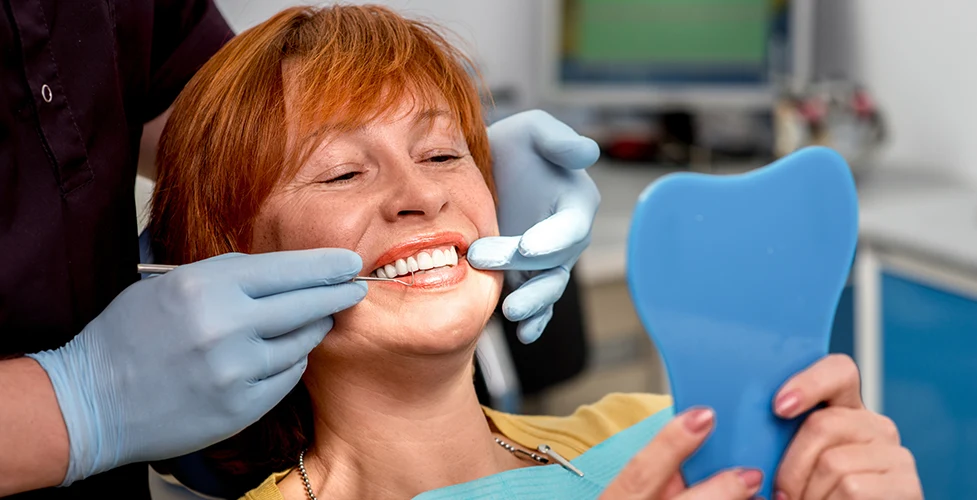
Dental veneers are thin porcelain or composite shells bonded to the front of teeth. They can correct stains, chips, cracks, gaps, or worn enamel. Veneers provide a natural, durable solution and can completely transform a smile.
But the real question remains: Are dental veneers covered by insurance? The answer depends largely on whether insurers classify your treatment as cosmetic or medically necessary.
What Are Dental Veneers?
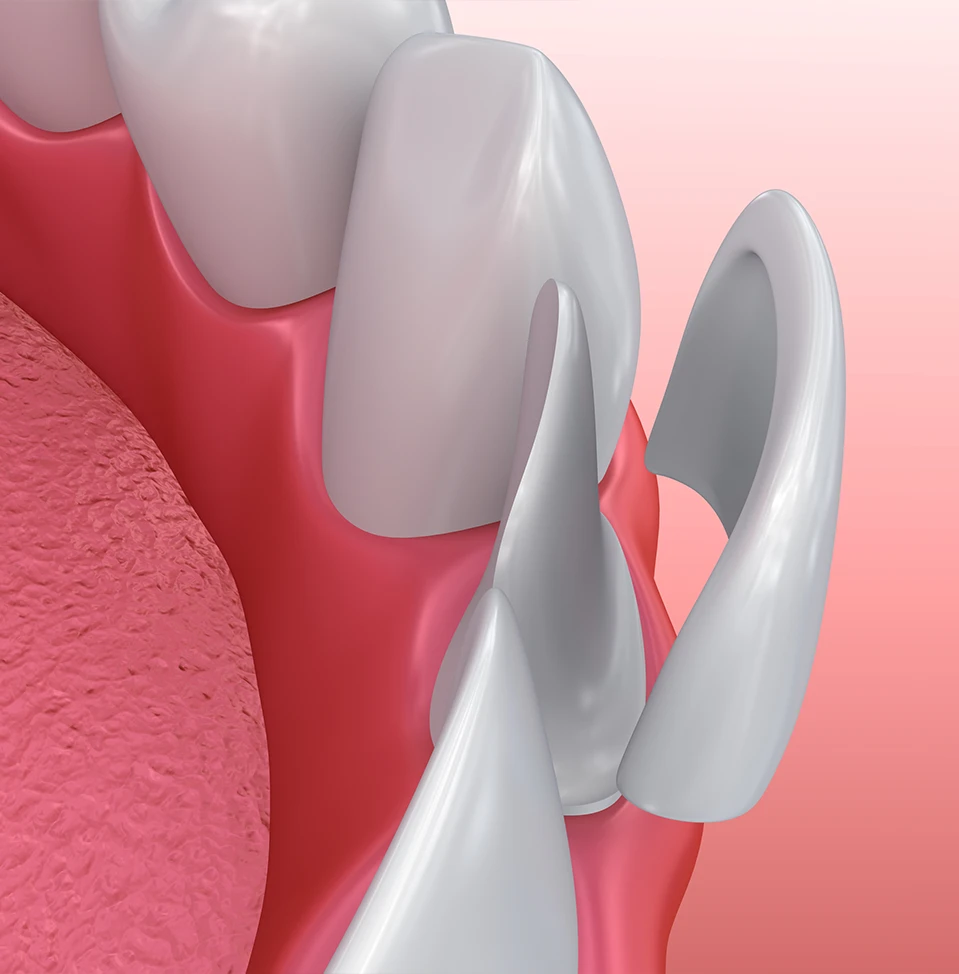
Dental veneers are ultra-thin, custom-made shells of either porcelain or composite resin that are bonded to the front surfaces of teeth. These veneers are designed to cover imperfections, such as chips, stains, gaps, and uneven tooth sizes or shapes. They help patients achieve a natural, flawless smile by enhancing the aesthetics of their teeth.
When patients come to us with concerns such as cracked, discolored, or misaligned teeth, veneers can often be the ideal solution. However, before proceeding with any treatment, understanding dental veneers cost is essential to ensure that it aligns with your expectations and budget.
Are Dental Veneers Covered by Insurance?
Dental veneers are thin, custom-made shells crafted from porcelain or composite resin that are permanently bonded to the front surface of your teeth. These shells are designed to correct common cosmetic issues, such as stains, chips, cracks, gaps, or worn-down enamel. They are an excellent solution for individuals seeking a smile makeover, as they can significantly enhance the appearance of teeth by providing a natural, smooth finish that looks and feels just like real enamel.
But the real question remains: Are dental veneers covered by insurance? The answer depends largely on whether insurers classify your treatment as cosmetic or medically necessary.
When Might Dental Veneers Be Covered by Insurance?
- Tooth Trauma: If a veneer is needed to restore a tooth that has been broken or fractured due to an accident, some insurance plans may cover part of the cost, considering the procedure essential for tooth functionality and oral health.
- Failed Restorations: If an old crown or filling fails, and a veneer is recommended to restore the tooth’s structure and function, some insurance plans may categorize this as a restorative procedure, potentially covering part of the cost.
- Medical Necessity: In rare cases, when veneers are required as part of a comprehensive treatment plan to restore dental health (e.g., after severe tooth decay or structural issues), insurance might provide partial coverage as it aligns with medical necessity.
Even in these scenarios, insurers usually only pay a portion of the fee, leaving patients responsible for the rest.
Why Dental Veneers Are Rarely Covered by Insurance
For most patients, dental veneers covered by insurance is the exception rather than the norm. Insurance companies typically classify veneers as a cosmetic procedure, much like teeth whitening or cosmetic bonding. These treatments are considered elective because they primarily enhance the appearance of the teeth, rather than addressing underlying health issues.
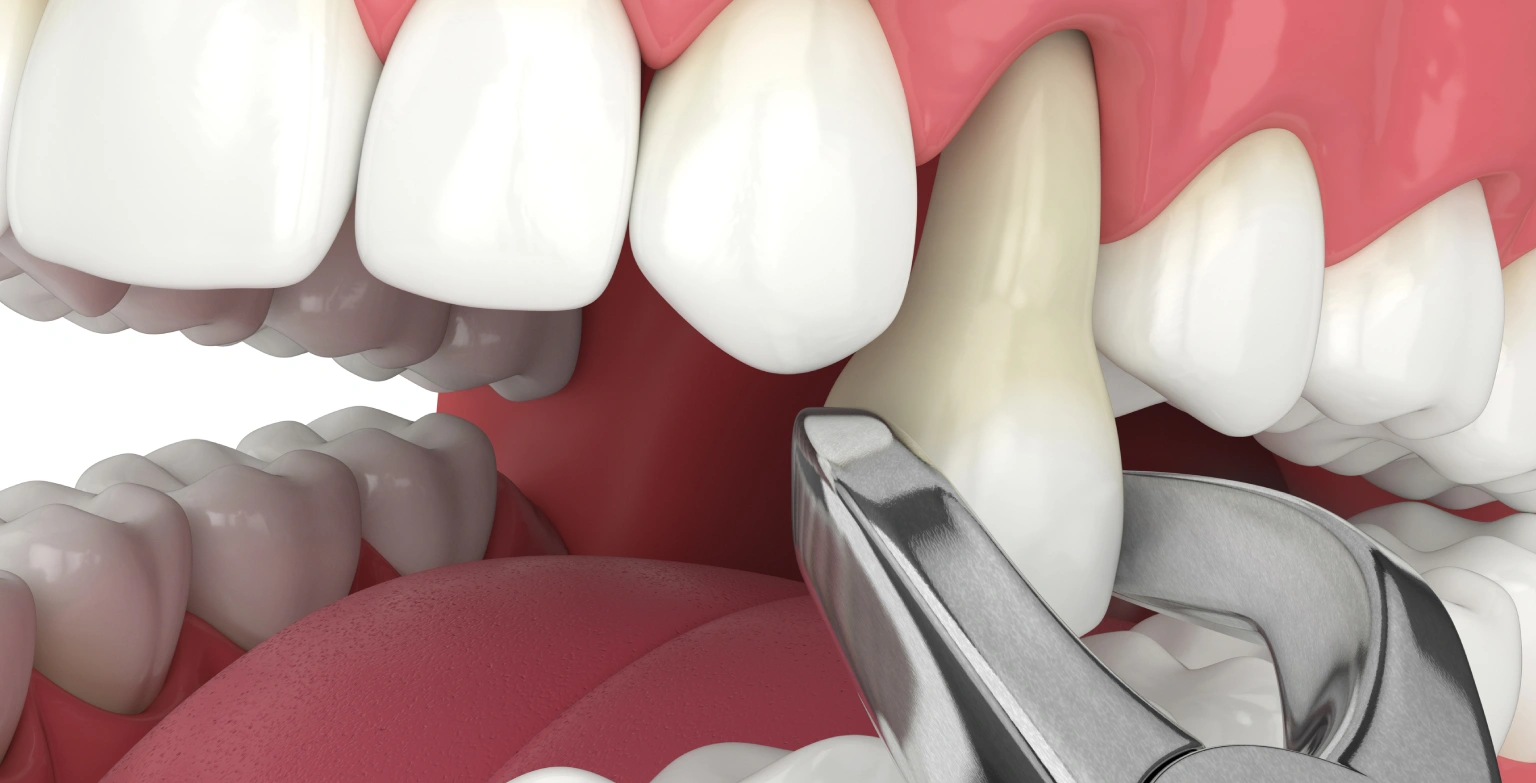
Insurance coverage is generally reserved for medically necessary procedures, those required to maintain or restore proper function, such as fillings, crowns, root canals, and extractions. Since veneers are not deemed essential for oral health or function, they don’t typically meet the criteria for full coverage.
Average Cost Without Insurance
The cost of dental veneers varies based on the material used and the complexity of the procedure:
- Porcelain veneers: $900–$2,500 per tooth
- Composite veneers: $250–$1,500 per tooth
Since many patients won’t have dental veneers covered by insurance, it’s essential to plan for these out-of-pocket expenses. If you’re considering veneers, working with your dentist to establish a clear cost estimate and exploring financing options can help make the treatment more manageable.
Financing Options for Veneers
Even without dental veneers covered by insurance, patients have flexible options to manage costs:
- In-house membership or dental savings plans
- CareCredit or third-party financing with monthly payments
- Health Savings Accounts (HSA) or Flexible Spending Accounts (FSA)
- Seasonal specials or multi-tooth package discounts
At Brookline Smile Artists, we regularly help patients explore these solutions.
Questions to Ask Your Insurance Provider
If you want to confirm whether your plan could apply, ask:
- Are dental veneers covered by insurance in cases of accidental injury?
- What percentage of restorative procedures might extend to veneers?
- Can I submit a pre-authorization request for veneer treatment?
- Does my plan classify veneers as restorative or cosmetic?
Alternatives That May Be Covered
Even if you cannot get dental veneers covered by insurance, you may benefit from coverage on:
- Crowns (for severely damaged teeth)
- Bonding (for chips and minor cracks)
- Orthodontics (for misalignment or spacing issues)
These alternatives are sometimes more budget-friendly and more widely accepted by insurers.
Final Thoughts
So, are dental veneers covered by insurance? For most patients, the answer is no, unless the procedure restores a tooth damaged by trauma or medical necessity. At Brookline Smile Artists, we provide transparent answers, help you navigate insurance, and offer financing solutions to make your dream smile possible. Contact us today!
FAQs
Are dental veneers worth the investment?
Yes, many patients find that dental veneers are a worthwhile investment due to their long-lasting effects (typically 10–15 years for porcelain veneers), natural appearance, and enhanced smile. They can boost self-confidence and improve overall oral aesthetics, making them a highly recommended option for individuals seeking a smile transformation.
How long do dental veneers last?
Porcelain veneers typically last between 10 to 15 years, depending on factors such as oral hygiene and lifestyle habits (e.g., avoiding hard foods or teeth grinding). Composite veneers, though more affordable, tend to last between 5 to 7 years.
What are the risks of getting dental veneers?
While dental veneers are safe, there are some risks to consider. Tooth sensitivity may occur after the procedure, and enamel removal is typically required to ensure a good fit for the veneer. Additionally, if you have habits like teeth grinding or clenching, the veneers might chip or wear down over time.
Can dental veneers fix gaps between teeth?
Yes, dental veneers are an excellent option for addressing small gaps between teeth. Veneers can be custom-designed to close gaps, improve symmetry, and create a more uniform smile. They are an alternative to orthodontics for patients looking for a quicker, non-invasive solution to spacing issues.
Are dental veneers suitable for everyone?
Dental veneers are not suitable for everyone. Ideal candidates have healthy teeth and gums without issues like extensive tooth decay or gum disease. Additionally, individuals with bruxism (teeth grinding) or those who require substantial tooth structure restoration may not be ideal candidates without further assessment by a dentist.
Can I get dental veneers on all of my teeth?
Yes, you can opt for full-mouth veneers if you want to achieve a dramatic smile makeover. This can involve placing veneers on all of your visible teeth to improve the overall appearance of your smile.
Bibliography and Source

If you are looking for a dentist in Brookline, MA, schedule your consultation with the team at Brookline Smile Artists. We offer Cosmetic and Restorative Dentistry. We are located at 209 Harvard Street, Suite 402 in Brookline. Our office hours are Monday through Thursday from 7:30 AM to 5:30 PM and Friday from 8:00 AM to 2:00 PM.


One of the top rated dentists in Brookline, MA