

Why Is My Root Canal Tooth Hurting After Years? Causes and Treatment
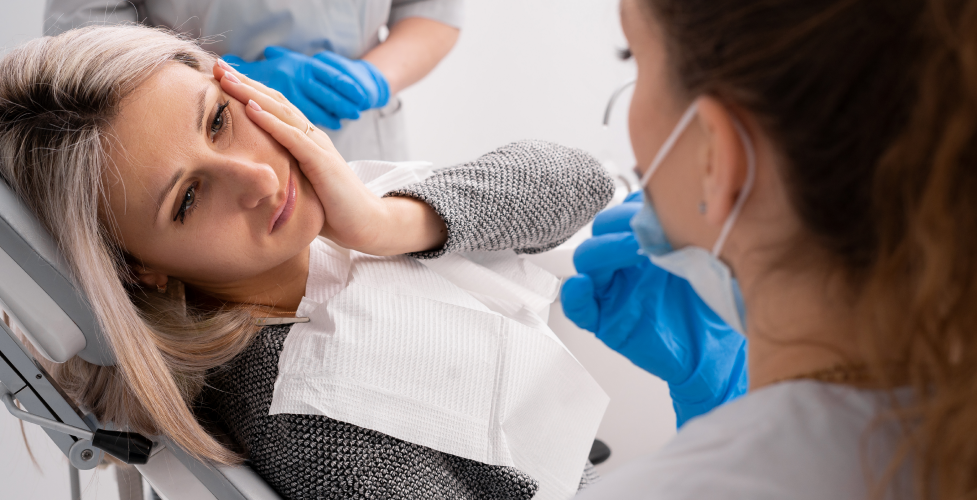
Your root canal was successful, and the tooth remained comfortable for years. Now, you may be wondering, “Why is my root canal tooth hurting after years?” It can be concerning when pain returns after so long, especially when the tooth had not caused any problems before.
You may notice discomfort while chewing, tenderness, pressure, or swelling around the area. If these symptoms persist or interfere with eating or daily activities, a dentist should evaluate the tooth.
What Causes a Root Canal Tooth to Hurt Years Later?
A previously treated tooth can start hurting again for several reasons, even if it felt normal for years after the original root canal.
New Decay
Decay can develop around a crown or filling and allow bacteria to enter the treated tooth. This may lead to pain, tenderness, or infection.Loose or Damaged Crown or Filling
A cracked, loose, or worn restoration can weaken the seal around the tooth. Bacteria may then reach areas that were previously protected.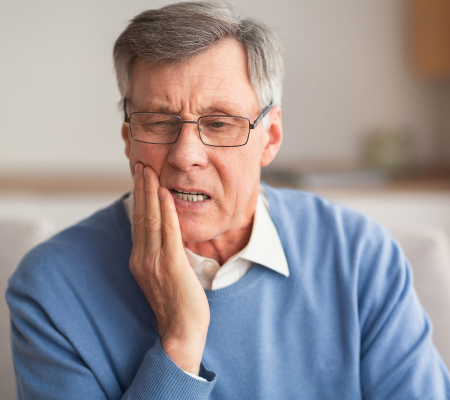
Untreated or Complex Canal Anatomy
Some teeth have narrow, curved, or hidden canals that are difficult to identify during the first treatment. If bacteria remain in an untreated area, pain or infection may develop months or years later.Tooth Crack or Fracture
A crack can irritate the tissues supporting the tooth and may cause pain when you bite or chew. The severity of the crack can affect whether the tooth can be restored.Persistent Inflammation
Tissue near the root tip may remain inflamed if the area did not heal fully after treatment. This can cause recurring tenderness, pressure, or discomfort.Gum or Bone Problems
Gum disease, bone loss, or inflammation around the tooth can cause pain even when the root canal itself is not the main problem.Pain From a Nearby Tooth
Pain from another tooth can sometimes feel as though it is coming from the root canal treated tooth. A dental examination can help identify the actual source.
A root canal treated tooth can become painful or develop disease months or years later. This does not always mean the tooth needs extraction. A dental examination can identify the cause and guide the appropriate treatment.
What Are the Signs of a Failed Root Canal Years Later?
Symptoms around an old root canal need attention, but they don’t prove the treatment has failed. A crack, damaged crown, gum problem, or nearby tooth can cause similar symptoms.
Possible warning signs include:
- Persistent or recurring tooth pain
- Pain or pressure when chewing
- Swelling around the tooth or gum
- A pimple or bump on the gum
- Tenderness around the tooth
- Drainage or an unpleasant taste
- A loose, chipped, or cracked crown
- Symptoms that return after the tooth had been comfortable
Severe swelling, fever, difficulty swallowing, or feeling unwell needs timely dental attention. If symptoms continue, schedule an examination.
How Do You Know If an Old Root Canal Is Infected?
You cannot confirm a root canal infection at home, but some symptoms can signal that the tooth needs evaluation. Pain, swelling, drainage, a bad taste, or a small bump on the gum near the tooth may be linked to infection. Your dentist may examine the tooth and take X-rays to look for changes around the root.
An old root canal can become infected if bacteria enter through new decay, a cracked tooth, or a damaged crown or filling. Infection may also remain in a part of the canal system that was difficult to clean during the original treatment.
Antibiotics do not replace dental treatment for most localized tooth infections. Treatment should address the source of tooth-related pain and swelling, while your dentist will decide whether medication is also needed.
Why Does My Root Canal Hurt When I Bite Down?
Pain when you bite down can happen when the tissues around the root are inflamed or irritated. It may also be linked to a crack in the tooth, a loose crown, new decay, infection near the root tip, or a problem with how the tooth meets your bite.
Notice when the pain occurs, such as while chewing firm foods, when you release your bite, or after a crown has chipped or loosened. These details can help your dentist narrow down the cause during an examination.
Until the tooth is checked, avoid chewing hard foods on that side. Extra pressure may increase discomfort if the tooth or restoration has a structural problem.
How Is Root Canal Tooth Pain Diagnosed Years Later?
Your dentist may use several steps to identify the source of pain in a previously treated tooth:
- Review your symptoms: Your dentist will ask when the pain started, what triggers it, and whether you have noticed swelling, tenderness, or changes in the crown or filling.
- Examine the tooth and gums: The dentist may check the area for swelling, gum problems, cracks, or signs of infection.
- Check your bite: Your dentist may assess whether the tooth hurts when you bite or whether it is taking too much pressure.
- Tap or apply pressure to the tooth: This can help identify tenderness in the tissues around the root.
- Take dental X-rays: X-rays can show changes around the root, new decay, bone loss, or problems with the restoration.
- Use additional imaging if needed: More detailed imaging may be recommended when the cause is not clear.
- Refer you to an endodontist: Complex cases may require evaluation by a root canal specialist.
Pain near a root canal-treated tooth can come from several sources, including a crack, gum disease, teeth grinding, or a nearby tooth. A proper diagnosis helps ensure that treatment addresses the actual cause.
Can a Root Canal Be Retreated After Years?
Some teeth that become painful or develop disease years after root canal treatment can be treated again. During retreatment, the tooth is reopened, previous filling material is removed, and the canals are examined, cleaned, filled, and sealed again.
Retreatment may be considered when:
- A canal was difficult to locate during the first procedure
- Complex canal anatomy affected the original treatment
- New decay allowed bacteria to enter the tooth
- A crown or filling became loose, cracked, or damaged
- The area around the root did not heal as expected
Some teeth may need endodontic surgery. Extraction may be considered when a severe fracture or loss of tooth structure prevents restoration. The roots, surrounding bone, and remaining tooth structure affect the recommendation.
Conclusion
Pain in a tooth that had root canal treatment years ago can develop from new decay, infection, a damaged restoration, a crack, persistent inflammation, or a problem in nearby tissues. Symptoms alone cannot show which cause is responsible. If the tooth hurts when you bite, aches repeatedly, or develops swelling or drainage, arrange a dental examination. Finding the source early can help your dentist determine whether you need a new restoration, root canal retreatment, another procedure, or treatment for a different dental problem.
Need Help With Root Canal Tooth Pain in Brookline?
If a previously treated tooth has started hurting again, Brookline Smile Artists can examine the tooth, surrounding tissues, and existing restoration to identify the source of your symptoms. Learn more about root canal therapy and general dentistry in Brookline.
For severe tooth pain or swelling, review our emergency dental care in Brookline. Call (617) 982-2980 to book a consultation or visit 209 Harvard Street, Suite 402, Brookline, MA 02446.
FAQs
Can a Root Canal Get Infected Again After 10 Years?
Yes. A tooth that had root canal treatment can develop a new infection years later if bacteria enter through new decay, a cracked tooth, or a damaged restoration. A dental examination and imaging can determine whether infection is present and which treatment may be appropriate.
Can a Root Canal Tooth Hurt Even Though the Nerve Is Gone?
Yes. Root canal treatment removes nerve tissue from inside the tooth, but the ligament, gums, bone, and tissues around the root still contain nerves. Inflammation, infection, a crack, or pressure affecting these tissues can cause pain.
Does a Painful Old Root Canal Always Need Extraction?
No. Depending on the cause and condition of the tooth, treatment may include replacing a damaged restoration, root canal retreatment, or endodontic surgery. Extraction may be recommended if the tooth cannot be restored or has a severe fracture.

If you are looking for a dentist in Brookline, MA, schedule your consultation with the team at Brookline Smile Artists. We offer Cosmetic and Restorative Dentistry. We are located at 209 Harvard Street, Suite 402 in Brookline. Our office hours are Monday through Thursday from 7:30 AM to 5:30 PM and Friday from 8:00 AM to 2:00 PM.
August 12, 2024
No Comments
April 4, 2024
No Comments
August 24, 2026
2 Comments

Medically Reviewed By
Gary R. Login, ABOI/ID
One of the top rated dentists in Brookline, MA
Table of Contents