

What Are Dental Crowns and Why Do You Need Them?

A confident smile does more than light up your face. It reflects your personality, boosts your self-esteem, and plays a vital role in everyday interactions. When teeth become damaged, worn down, or affected by cosmetic issues, it can impact your appearance, self-esteem, and comfort. You may find yourself smiling less, avoiding certain foods, or feeling self-conscious during conversations.
Thankfully, dental crowns offer a simple and effective solution. These custom-made restorations can strengthen weakened teeth, repair visible flaws, and restore your natural, healthy smile.
We will explain everything you need to know if you have ever wondered what dental crowns are and why they matter.
What Are Dental Crowns?
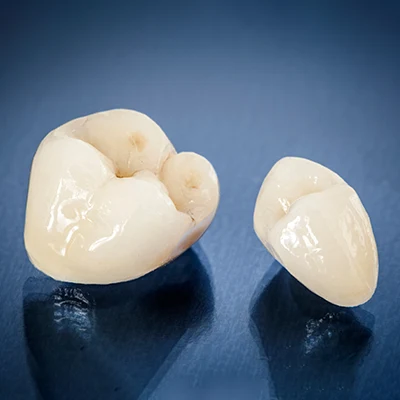
A dental crown is a custom-crafted cap that completely covers and protects a damaged tooth. Its primary purpose is to restore the tooth’s shape, size, strength, and appearance. Once placed, the crown fully encases the tooth’s visible part above the gum line.
Dental Crowns are made from different materials, including porcelain, ceramic, metal, zirconia, and porcelain fused to metal. The selection depends on your dental needs, the location of the tooth, and your desired aesthetics.
Once placed, a dental crown functions just like a natural tooth. It allows you to chew, bite, and speak comfortably while protecting the tooth underneath from further damage.
Why Do You Need Dental Crowns?
Dental crowns are recommended for a variety of restorative and cosmetic reasons. Here are some of the most common situations where a dentist may suggest a crown:
- To Restore a Damaged Tooth: Cracked, fractured, or severely worn teeth often require crowns to restore their original shape, strength, and function. Without proper restoration, these teeth are prone to further damage.
- To Protect a Weak Tooth: Decay or large fillings can weaken teeth, making them more susceptible to fractures. A crown adds a layer of protection and helps prevent breakage.
- To Cover a Dental Implant: Crowns are placed over dental implants to serve as the visible and functional part of the replacement tooth.
- To Support a Tooth After Root Canal Therapy: Teeth can become brittle after a root canal. Crowns offer protection by reinforcing the tooth and reducing the risk of cracks or breaks.
- To Improve Appearance: Crowns can also enhance the appearance of discolored, misshapen, or uneven teeth. They create a more balanced and aesthetically pleasing smile.
The Dental Crown Procedure
The dental crown procedure involves a few important steps to ensure your new crown fits perfectly and functions like a natural tooth. Here’s what you can expect during the process.
Step 1: Initial Consultation and Tooth Preparation
During your first visit, the dentist will examine the tooth and take X-rays to assess the level of damage. If a crown is suitable, the tooth will be gently reshaped to make room for the crown. This includes removing decayed or weakened parts of the tooth. Once shaped, impressions or digital scans are taken and sent to a dental laboratory to create your custom crown. Meanwhile, a temporary crown is placed to protect the prepared tooth.
Step 2: Permanent Crown Placement
Your next visit will involve fitting and securing your permanent crown to fully restore your tooth. The dentist will remove the temporary crown, check the fit and color of the permanent crown, and make adjustments if necessary. The dentist will securely cement the crown, restoring your tooth’s function and natural appearance.
Types of Dental Crowns
Dental crowns are made of various materials, each designed to meet different needs based on durability, appearance, and location in the mouth. Your dentist will help you select the best option for your dental and cosmetic goals.
Porcelain Crowns
Porcelain crowns are popular for front teeth due to their lifelike appearance. They closely mimic natural teeth’s color, translucency, and texture, making them ideal when aesthetics are a top priority.
Porcelain Fused to Metal Crowns
These crowns offer a balance of strength and beauty. The metal base provides durability, while the porcelain overlay ensures a natural look. They work well for both front and back teeth.
Zirconia Crowns
Zirconia crowns offer incredible strength and chip resistance, making them a durable choice that still provides a natural, tooth-colored appearance. They are ideal for patients who need both durability and aesthetics.
Metal Crowns
Metal crowns use strong alloys or gold to deliver exceptional durability and strength. While they do not match the color of natural teeth, they are ideal for molars that need to withstand heavy chewing forces.
Resin Crowns
Resin crowns are considered a budget-friendly option and are often chosen for temporary use. However, they are known to wear down faster than other materials and are generally not recommended for long-term restoration.
Benefits of Dental Crowns
Dental crowns offer several important advantages that help restore the health and appearance of your teeth. Here is what they do for you:
- Protect weakened teeth: Crowns cover and protect teeth that have become weak from decay, injury, or large fillings. They stop cracks or damage from getting worse.
- Restore normal function: Crowns rebuild the tooth’s shape and size, which allows you to chew and speak comfortably and naturally again.
- Enhance appearance: Crowns hide imperfections such as chips, discoloration, or misshapen teeth. They create a more even, attractive smile that boosts your confidence.
- Provide lasting durability: Crowns hold up well over time. When cared for properly, they stay strong and reliable for many years.
- Improve comfort and confidence: Crowns fit securely and feel natural. They allow you to eat, speak, and smile comfortably without worrying about sensitivity or damage.
How to Care for Dental Crowns
Proper care is essential to ensure the longevity of your dental crowns. Here are a few tips:
- Brush and floss daily to maintain good oral hygiene and prevent decay around the crown.
- Avoid chewing hard objects or sticky foods to prevent loosening or damage.
- Use a soft-bristled toothbrush to protect the crown and surrounding gums.
- Limit consumption of staining foods and beverages.
- Visit your dentist regularly for checkups and professional cleanings.
Is a Dental Crown the Right Solution for You?
Dental crowns do much more than simply improve the appearance of teeth. They offer essential protection for weakened or damaged teeth, restore proper function, and help you maintain oral health long-term. Whether repairing a cracked tooth, strengthening one after a root canal, or enhancing your overall smile, crowns provide a reliable and natural-looking solution.
At Brookline Smile Artists, we craft crowns that fit comfortably and blend seamlessly with your natural teeth. Our experienced team is here to offer personalized care, ensuring your restored tooth looks great and feels strong. Choosing a crown is more than just a dental decision. It is an investment in your comfort, health, and confidence.
Book Your Consultation at Brookline Smile Artists
If you are considering dental crowns or want to learn more about how they can improve your smile. Call Brookline Smile Artists today at (617) 982-2980 or visit us at 209 Harvard Street, Suite 402, Brookline, MA 02446, to schedule your consultation. Let us help you restore, protect, and enhance your smile with beautifully crafted dental crowns.
FAQs
Are dental crowns really necessary?
Do I really need a crown?
How much does a crown cost?
Can dental crowns last forever?
Are crowns noticeable when I smile?
Bibliography & Sources

If you are looking for a dentist in Brookline, MA, schedule your consultation with the team at Brookline Smile Artists. We offer Cosmetic and Restorative Dentistry. We are located at 209 Harvard Street, Suite 402 in Brookline. Our office hours are Monday through Thursday from 7:30 AM to 5:30 PM and Friday from 8:00 AM to 2:00 PM.


One of the top rated dentists in Brookline, MA