

What Are Screwless Dental Implants?
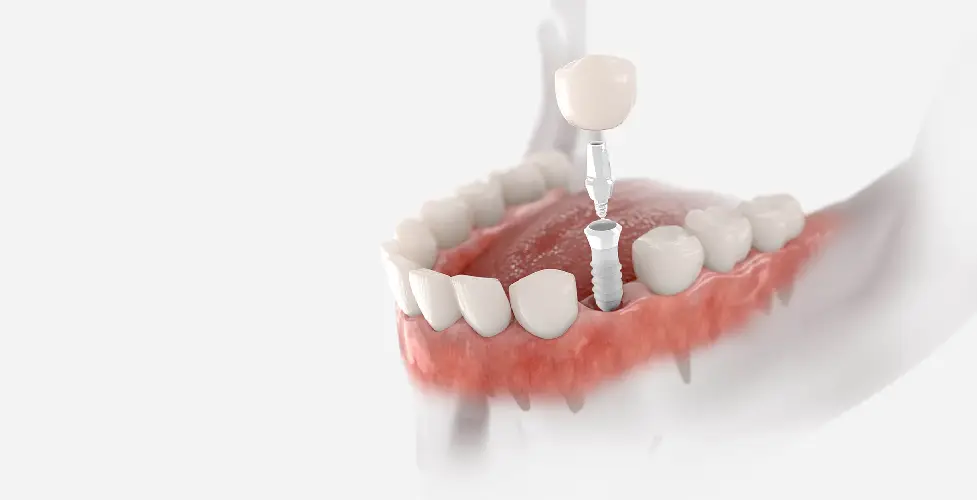
If you have been looking for tooth replacement options, you have likely come across screwless dental implants. But what are screwless dental implants?
Traditional dental implants have relied on screws for decades to secure crowns in place. They are effective and widely used. However, advancements in implant engineering have introduced a new generation of restorations designed without visible screw access holes. These are known as screwless dental implants.
Patients who want cleaner aesthetics, fewer mechanical complications, and advanced precision often ask what screwless dental implants are and whether they are better than traditional systems. This guide explains everything in detail so you can make a confident, informed decision before scheduling your first consultation.
Understanding Traditional Dental Implants
- A titanium post is placed into the jawbone
- An abutment connecting the implant to the crown
- A crown secured using a small screw or cement
- Visible access holes
- Minor screw loosening over time
- Micro-gaps between components
- Occasional food trapping
What Are Screwless Dental Implants?
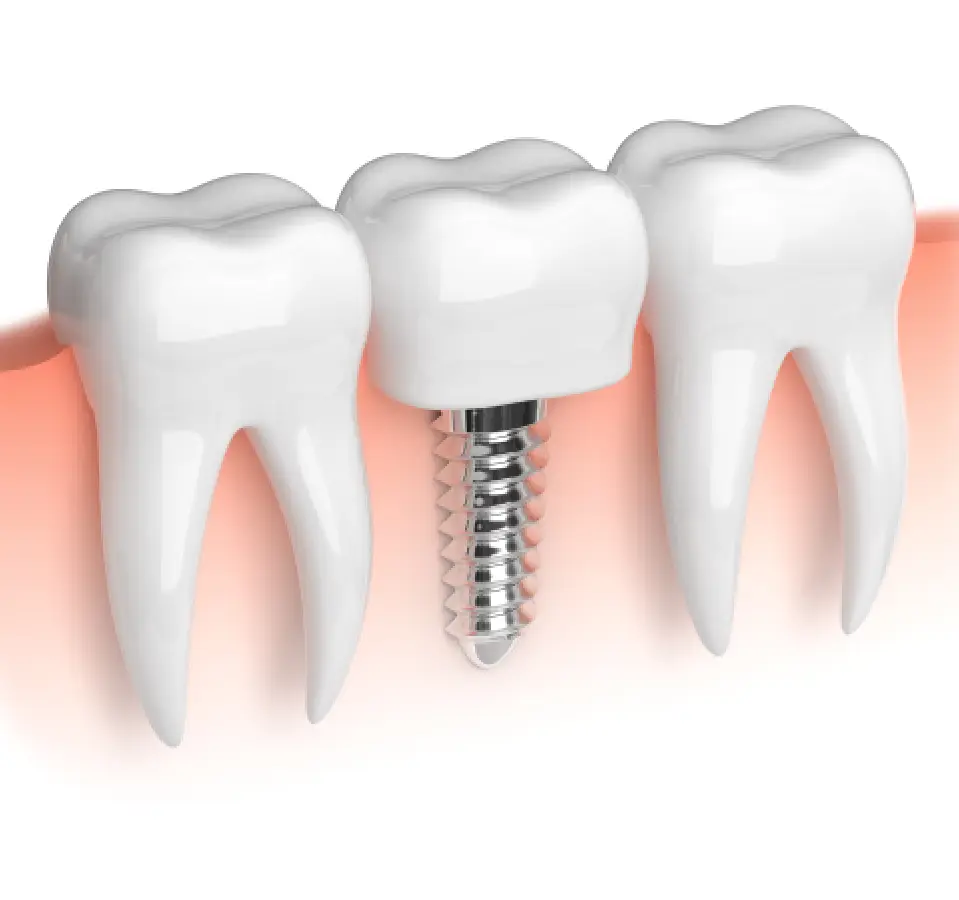
Screwless dental implants use precision friction-fit or conical locking connections instead of traditional screws to secure the crown or restoration. Rather than relying on a visible screw channel, these implants create a tight internal seal using engineered taper connections. This design eliminates external screw holes while maintaining strength and stability.
When patients ask what screwless dental implants are, the key difference lies in the connection mechanism. Instead of mechanical fastening through a screw, the restoration locks into place through precision-milled geometry.
How Screwless Implants Work
Screwless dental implants rely on a precision-engineered connection system rather than a traditional retaining screw. Most systems use what is known as a Morse taper connection. This is a cone-in-cone design where the abutment fits tightly inside the implant body.
When the abutment is seated, the tapered components create a strong friction lock, often described as a cold-weld effect. This mechanical engagement forms a highly stable internal seal without the need for a visible screw channel.
Here is how the process works after implant placement:
- The titanium implant post integrates with the jawbone through osseointegration
- A custom-milled abutment is designed to fit precisely within the implant
- The final crown is secured using a friction-fit connection instead of a screw
Because the connection is tight and stable, it minimizes micro-movement between components. Reduced micro-movement lowers mechanical stress and decreases the risk of bacterial infiltration at the implant interface.
The result is a restoration that looks seamless and feels natural.
Why Patients Are Choosing Screwless Implants
Many patients who ask about screwless dental implants are primarily concerned with aesthetics and durability.
Here are the major advantages:
- No Visible Screw Access Hole: Traditional screw-retained crowns require a small filling over the screw channel. In anterior teeth, this can sometimes affect translucency. Screwless systems eliminate that concern.
- Reduced Micro-Gaps: The conical connection creates a tighter seal, lowering the risk of bacteria entering the implant interface.
- Improved Soft Tissue Health: Because of reduced micro-movement, gum tissue tends to adapt more naturally around the implant collar.
- High Mechanical Stability: Cold-weld friction connections distribute force evenly, reducing stress concentration.
- Enhanced Aesthetics for Front Teeth: For patients replacing visible teeth, seamless restorations provide superior cosmetic results.
Are Screwless Dental Implants Safe?
Safety is one of the most important questions patients ask. When evaluating what screwless dental implants are, safety depends on:
- Proper case selection
- Bone quality and volume
- Precision surgical placement
- Correct restorative protocol
When performed by an experienced implant dentist, screwless implants show high long-term success rates comparable to traditional systems.
Who Is a Candidate for Screwless Implants?
You may qualify if:
- You are missing one or more teeth
- Your jawbone has adequate density
- You maintain good oral hygiene
- You do not smoke heavily
- You want highly aesthetic results
Patients with bone loss may still qualify for bone grafting procedures. The only way to determine eligibility is through 3D imaging and clinical evaluation.
The Screwless Implants Procedure Step-by-Step
Understanding what screwless dental implants are also means understanding the surgical and restorative process from start to finish.
Step 1: Digital Planning
Advanced 3D imaging and planning software maps your jawbone, sinus position, and nerve pathways. This digital blueprint ensures precise implant positioning, optimal angulation, and long-term structural stability.
Step 2: Implant Placement
The titanium implant post is carefully placed into the jawbone under local anesthesia. The procedure is controlled, efficient, and most patients report only mild pressure with minimal post-operative discomfort.
Step 3: Healing and Osseointegration
Over three to four months, the implant fuses naturally with the surrounding bone through osseointegration. This biological bonding creates a strong, stable foundation for the final restoration.
Step 4: Custom Abutment Design
After healing, precision-milled abutments are custom-designed to fit your implant and gum contours. This ensures ideal support, aesthetic harmony, and a secure internal connection.
Step 5: Friction-Fit Crown Placement
The final crown is seated using a friction-fit taper connection instead of a screw. The seamless lock enhances stability, eliminates access holes, and delivers a natural look and function.
The Biological and Engineering Advantages Behind Screwless Dental Implants
When discussing what screwless dental implants are, few patients are told about the long-term biological advantage. Micro-movement between implant components can cause bone remodeling over time. Precision taper connections reduce this micro-movement.
Less movement means:
- More stable bone levels
- Healthier gum contours
- Reduced inflammatory response
Additionally, friction-fit systems often eliminate cement-related complications seen in cement-retained crowns, such as excess cement causing peri-implantitis. These subtle engineering details matter for long-term success.
Screwless vs Traditional Implants Comparison
Feature | Traditional Screw-Retained Implants | Screwless Implant System |
Aesthetics | May have a visible access hole | Seamless, no access hole |
Retrievability | Easy removal if needed | Case-dependent removal |
Micro-gap Control | Moderate seal | Enhanced conical seal |
Mechanical Risk | Possible screw loosening | Reduced mechanical issues |
Cost | Standard cost range | Slightly higher investment |
Each system has its place. The best choice depends on your clinical needs, aesthetic goals, and long-term treatment plan.
What Happens If Something Goes Wrong
This is a valid and important concern for any patient considering dental implants. Although complications are uncommon, they can occur. The key is early detection and proper management. If issues arise:
- Early infections are usually treatable with medication and close monitoring
- Implant integration failure is rare and can be addressed with removal, healing time, and replacement
- Alternative restorative options remain available if needed
Comprehensive planning, advanced imaging, and precise surgical technique significantly reduce risk and improve long-term success.
Questions You Should Ask Before Treatment
Before committing, ask:
- How many screwless implants have you placed?
- What brand system do you use?
- What is your complication rate?
- Will I receive temporary teeth?
- What aftercare protocol do you recommend?
An experienced provider welcomes these questions.
Maintenance After Treatment
Long-term success depends on consistent care and professional monitoring. Dental implants require the same level of attention as natural teeth to maintain stability and gum health.
Proper maintenance includes:
- Brushing twice daily using a soft-bristle toothbrush
- Flossing carefully around the implant to prevent plaque buildup
- Scheduling routine professional cleanings and examinations
- Wearing a custom night guard if you grind your teeth
Consistent care protects your investment and helps ensure your implant remains strong, stable, and healthy for years.
Final Thoughts
If you have been wondering what screwless dental implants are, you now understand the engineering, benefits, safety profile, and candidacy requirements.
Modern implant dentistry continues to evolve. Screwless systems represent precision, aesthetics, and innovation working together. The next step is a personalized evaluation.
At Brookline Smile Artists, your consultation provides clarity, transparency, and a detailed roadmap toward restoring your smile with confidence. Your missing tooth does not define you. Advanced implant dentistry can restore strength, comfort, and appearance for decades.
Book your consultation today and experience modern implant care designed around you.
FAQs
Are screwless implants stronger than traditional implants?
Both systems are strong. Screwless implants offer improved connection stability through precision taper locking mechanisms.
Can screwless crowns be removed if needed?
In some systems, removal is possible but requires specialized instruments. Your dentist will explain this based on your case.
Are screwless implants more expensive?
They may cost slightly more due to advanced engineering and laboratory fabrication.
How long does the entire process take?
From placement to final crown, expect approximately three to four months, depending on healing speed.
Do screwless implants reduce infection risk?
The tight conical seal reduces micro-gaps, which may lower bacterial infiltration compared to some traditional systems.
Am I too old for screwless dental implants?
Age alone is not a limitation. Bone quality and overall health determine eligibility.

If you are looking for a dentist in Brookline, MA, schedule your consultation with the team at Brookline Smile Artists. We offer Cosmetic and Restorative Dentistry. We are located at 209 Harvard Street, Suite 402 in Brookline. Our office hours are Monday through Thursday from 7:30 AM to 5:30 PM and Friday from 8:00 AM to 2:00 PM.


One of the top rated dentists in Brookline, MA