

How Long Does Dental Bonding Last?
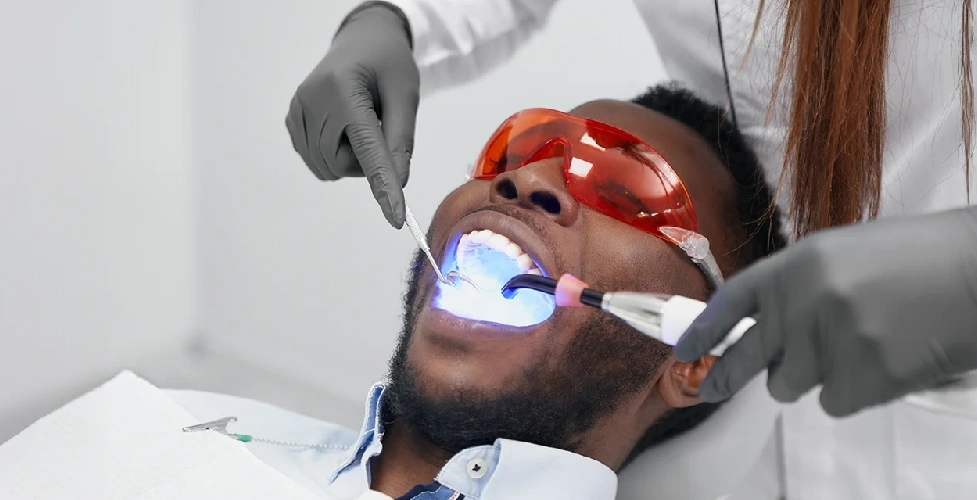
Dental bonding is a popular cosmetic dental treatment that can quickly enhance your smile, addressing issues like chipped, cracked, or discolored teeth. As a non-invasive procedure, it’s a favorite among many patients who want to restore the appearance of their teeth without undergoing more extensive treatments like crowns or veneers. But one of the most frequently asked questions by patients is: How long does dental bonding last?
In this guide, we will dive deep into the longevity of dental bonding, its benefits, maintenance tips, and factors that influence its lifespan. We are committed to providing you with all the information you need to make informed decisions about your dental health.
What is Dental Bonding?
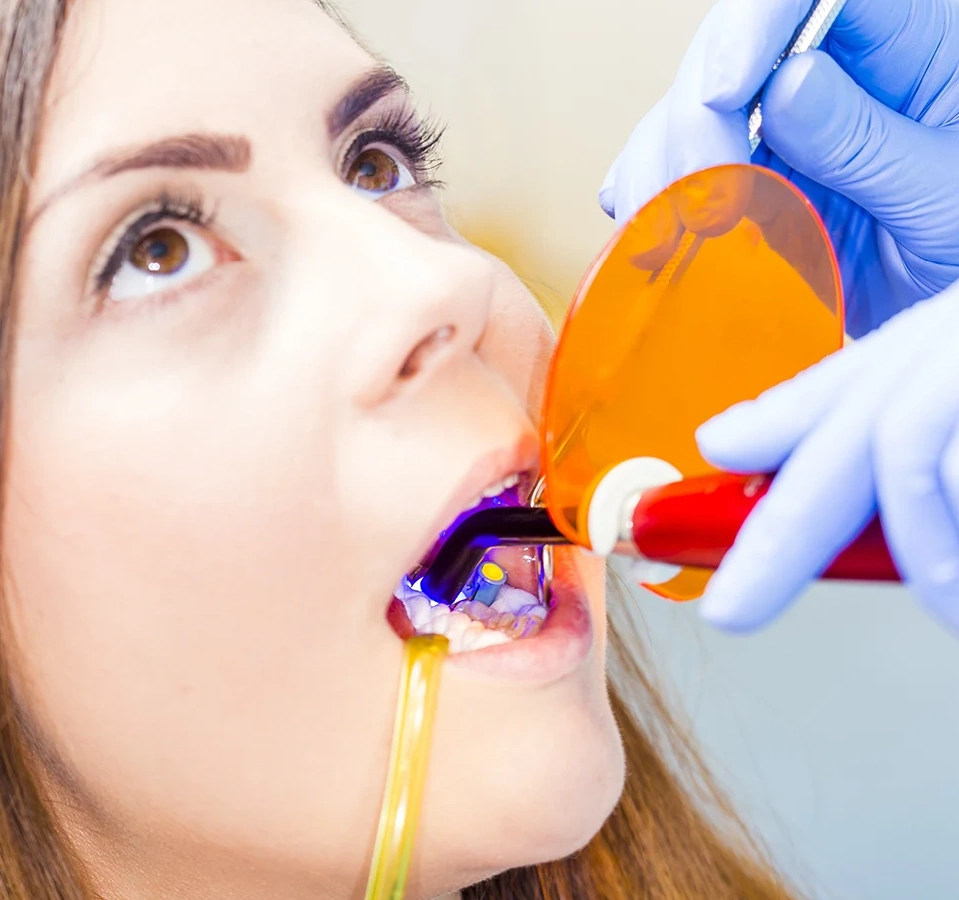
Dental bonding is a cosmetic dental treatment where a tooth-colored resin is applied to a tooth and hardened using a special light. The process can correct several aesthetic concerns, such as:
- Chips or cracks in teeth
- Discolored teeth that cannot be improved with whitening
- Gaps between teeth
- Misshapen teeth or teeth that are uneven in size
The resin used for bonding is malleable, so it can be shaped to match the natural contours of your teeth. Once it hardens, it gives the tooth a durable and natural appearance.
How Long Does Dental Bonding Last?
The durability of dental bonding varies based on multiple factors, like the type of material used, your oral care habits, and where the bonding is applied. On average, dental bonding lasts between 5 and 10 years. However, it may need to be replaced or touched up sooner if you don’t maintain proper oral hygiene or if you engage in habits that put excess strain on your teeth.
Factors That Affect the Longevity of Dental Bonding
1.Location of Bonding
Bonding placed on front teeth often lasts longer than bonding on back teeth. This is because front teeth experience less wear and tear compared to molars, which are used for chewing.
2.Oral Hygiene
Proper brushing and flossing play a significant role in maintaining dental bonding. If you don’t maintain good oral hygiene, the bonding material may degrade or stain more quickly. Regular dental check-ups also help preserve its integrity.
3.Dietary Habits
Foods and drinks like coffee, tea, and red wine can stain the resin over time, making it look dull or discolored. Acidic foods and sugary snacks can also weaken the bond, shortening its lifespan.
4.Chewing Habits
If you tend to chew on hard objects like ice, pens, or your fingernails, this can cause the bonding to chip or crack. Habits like teeth grinding (bruxism) can also wear down the bonding faster.
5.Quality of the Procedure
The skill and expertise of your dentist play a crucial role in how long your dental bonding lasts. A well-performed bonding procedure by an experienced dentist, such as those at Brookline Smile Artists, ensures that the resin adheres properly to the tooth surface.
How to Make Dental Bonding Last Longer
While the average lifespan of dental bonding is 5 to 10 years, there are several steps you can take to maximize its longevity:
1.Maintain Good Oral Hygiene
Brush your teeth at least twice a day with fluoride toothpaste and floss daily to remove plaque and prevent the bonding from deteriorating.
2.Avoid Staining Foods and Beverages
Limit your intake of staining foods and drinks, and rinse your mouth with water after consuming them. This helps to keep the bonding material looking fresh and vibrant.
3.Protect Your Teeth from Damage
Avoid habits that put excessive pressure on your teeth, such as chewing on hard objects. Consider using a night guard if you grind your teeth at night.
4.Visit Your Dentist Regularly
Schedule regular dental check-ups so your dentist can assess the condition of your dental bonding. If there are any signs of wear or damage, your dentist can touch up or replace the bonding material before it worsens.
5.Use a Mouthguard
If you play sports, always wear a mouthguard to protect your teeth from impact. This is especially important for dental bonding, as it’s more prone to damage from trauma compared to natural tooth enamel.
When Should You Replace Dental Bonding?
Even with the best care, dental bonding will eventually need to be replaced. Signs that your bonding may need replacing include:
- Chipping or cracking: If the bonding becomes chipped or cracked, it may no longer be effective in restoring the tooth’s appearance or function.
- Staining: Over time, bonding can stain and lose its aesthetic appeal, especially if you haven’t been careful about your diet.
- Discomfort or sensitivity: If you experience pain or sensitivity around the bonded area, it could indicate that the bonding material has worn down or that there is an issue with the bonding’s adhesion to the tooth.
Is Dental Bonding a Good Option for You?
Dental bonding is an excellent choice for patients looking for a quick, effective, and minimally invasive solution for cosmetic dental issues. It’s a non-permanent treatment, which means it allows for flexibility as your smile evolves. However, it’s not ideal for everyone. If you have extensive tooth decay or structural issues, a crown or veneer might be a better option.
It’s essential to consult with a skilled dentist to determine if bonding is right for your unique dental needs.
Final Thoughts
Dental bonding is a versatile, cost-effective, and minimally invasive cosmetic treatment that can dramatically improve your smile. While the longevity of dental bonding is generally 5 to 10 years, its lifespan depends on factors like location, oral hygiene, dietary habits, and whether you engage in damaging habits. By following the proper care instructions, you can maximize the life of your bonding and keep your smile looking great for years.
At Brookline Smile Artists, we are dedicated to providing high-quality dental bonding services that suit your specific needs. Contact us today to schedule a consultation and take the first step towards a beautiful, confident smile!
Ready to enhance your smile with dental bonding?
Book your appointment at Brookline Smile Artists today, and let our expert team help you achieve the smile you’ve always wanted!
FAQs
Can I whiten dental bonding?
No, the resin used in dental bonding does not respond to whitening treatments like natural tooth enamel. If your bonding material becomes discolored, your dentist may recommend replacing it or touching it up with a new layer of resin.
How long does it take to apply dental bonding?
Dental bonding is a relatively quick procedure. In most cases, it can be completed in a single visit, with the entire process taking about 30 to 60 minutes per tooth.
Is dental bonding safe?
Yes, dental bonding is a safe and well-established procedure. The materials used are biocompatible and have been extensively tested for safety. Your dentist will ensure that the bonding is applied correctly to minimize any risk of complications.
Can dental bonding be used for front teeth?
Yes, dental bonding is commonly used to repair front teeth, as it can effectively enhance the appearance of your smile by addressing chips, gaps, and stains.
Does dental bonding last longer than veneers?
Dental bonding typically lasts 5 to 10 years, whereas veneers can last 10 to 15 years. However, veneers are more durable and less prone to staining compared to bonding.

If you are looking for a dentist in Brookline, MA, schedule your consultation with the team at Brookline Smile Artists. We offer Cosmetic and Restorative Dentistry. We are located at 209 Harvard Street, Suite 402 in Brookline. Our office hours are Monday through Thursday from 7:30 AM to 5:30 PM and Friday from 8:00 AM to 2:00 PM.

One of the top rated dentists in Brookline, MA