

How Do You Know If You Need a Root Canal?

Root canals are one of the most common dental procedures, but many people wonder, “How do you know if you need a root canal?” If you have been experiencing tooth pain, swelling, or sensitivity, consider whether a root canal is necessary.
In this blog, we will help you understand the signs that may indicate a need for a root canal, walk you through the process, and offer advice for managing pain and discomfort.
Whether you are dealing with a deep cavity, an infection, or trauma to your teeth, a root canal can protect your tooth and ease pain. Let’s take a closer look at the signs, symptoms, and reasons why you might need a root canal.
What is a Root Canal?
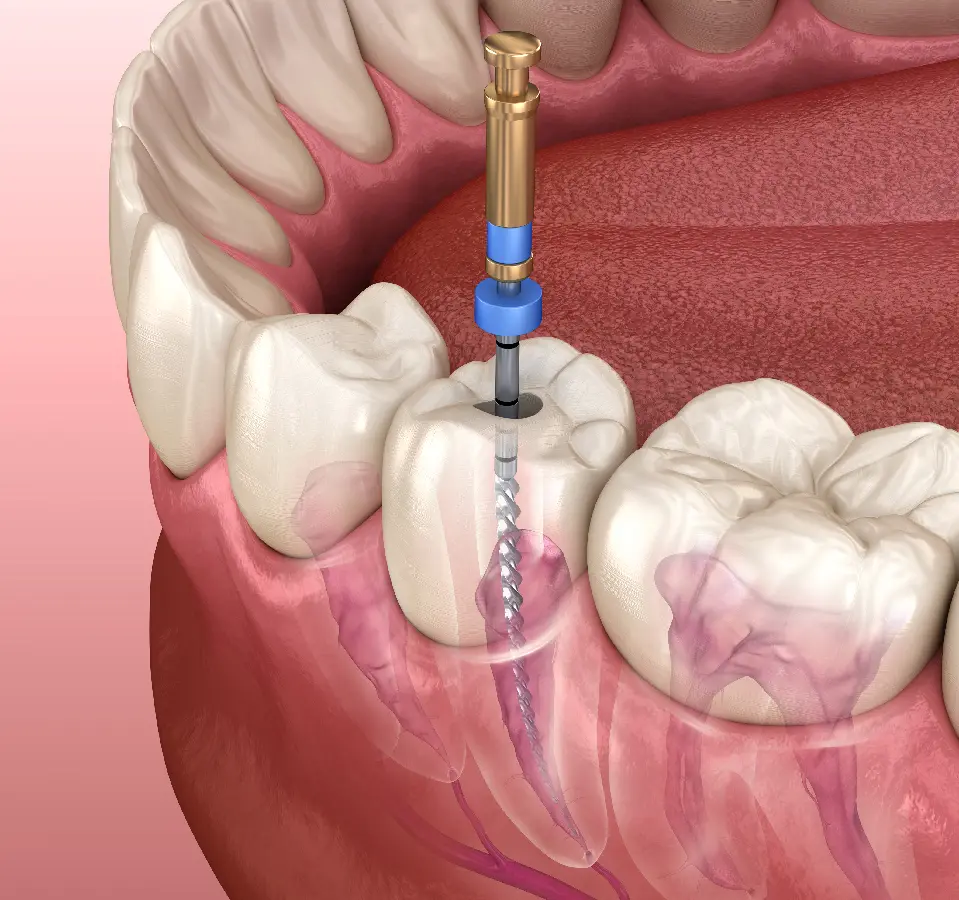
A root canal is a dental procedure used to treat infections in the pulp of a tooth. The pulp is the soft tissue inside the tooth that includes nerves, blood vessels, and connective tissue.
When this pulp becomes infected or inflamed, it can cause severe pain and lead to further damage. The root canal procedure involves extracting the infected pulp, cleaning the inside of the tooth, and sealing it to prevent future infection.
Root canals are often recommended when a tooth is severely damaged due to decay or trauma. Without treatment, the infection can spread to the surrounding bone and tissues, leading to further pain and complications. A root canal helps save the tooth and restore function.
How Do You Know If You Need a Root Canal?
The first question many people ask when considering a root canal is: How do you know if you need one? Several signs and symptoms indicate you may need this procedure. While only a dentist can give you a definitive diagnosis, here are some common signs to look out for:
1. Persistent Tooth Pain
One of the most common signs that you need a root canal is constant tooth pain. This pain is usually deep and throbbing and may become worse when chewing or applying pressure to the affected tooth.
If over-the-counter pain medication does not relieve the pain, it may indicate that the pulp inside the tooth is infected and that you may need a root canal.
2. Sensitivity to Hot and Cold
If you experience extreme sensitivity to hot or cold temperatures, it might indicate that the nerve inside your tooth is damaged. Sensitivity that persists after removing the hot or cold substance may indicate an infected tooth pulp.
If this sensitivity persists for more than a few days, a root canal might be required to resolve the issue.
3. Swelling and Tenderness in the Gums
Swollen, tender gums near the affected tooth can be another sign that you need a root canal. The swelling may also be accompanied by a pimple-like bump on the gums, which is a symptom of infection. If left untreated, the infection can spread and cause more serious health problems.
4. Discoloration of the Tooth
A tooth that becomes dark or discolored can imply that the nerve inside the tooth has died. The discoloration is usually caused by a lack of blood flow to the tooth, which occurs when the pulp becomes infected or necrotic.
If you notice that your tooth has changed color, it may be time to see a dentist to determine if you need a root canal.
5. Cracked or Chipped Tooth
If you have recently cracked or chipped a tooth due to trauma, you may need a root canal if the damage spreads to the pulp. Cracks or chips that reach the nerve can allow bacteria to enter the tooth, leading to an infection. This kind of injury can cause severe pain, and a root canal may be required to save the tooth.
6. A Loose Tooth
Infection can also affect the structures holding your tooth in place, causing it to feel loose. If you notice that your tooth feels loose, especially if it is accompanied by pain or swelling, it could be a symptom of an infection that needs a root canal.
What Happens During a Root Canal Procedure?
If you are experiencing any of the symptoms mentioned above, it is important to see your dentist for an evaluation. If a root canal is necessary, here is what you can expect during the procedure:
Step 1: Consultation and X-Rays
The first step involves a consultation with your dentist. They will assess the tooth that is affected and conduct X-rays to determine the level of damage. This will enable them to determine whether a root canal is required and whether any further procedures, such as a crown, are also needed.
Step 2: Local Anesthesia
Before the root canal treatment, the dentist will administer local anesthesia to the area around the affected tooth. This will ensure that you do not feel any pain as the dentist performs the procedure.
Step 3: Cleaning the Tooth
The dentist will then make an opening on top of the tooth to gain access to the infected pulp. The pulp is then removed, and the inside of the tooth is cleaned to ensure that all bacteria are eliminated.
Step 4: Filling the Tooth
Once the tooth is clean, your dentist will fill the area with a rubber-like material called gutta-percha. This helps fill the tooth and stop further infection.
Step 5: Sealing and Restoration
The final step involves sealing the tooth’s opening. In some cases, your dentist may place a temporary filling until a permanent crown can be placed to restore the tooth’s strength and appearance.
Benefits of Root Canals
Despite the myths and fears surrounding root canals, the procedure offers several important benefits, including:
- Pain Relief: The procedure stops the source of the pain by removing the infected pulp, providing long-term relief.
- Tooth Preservation: A root canal allows you to save your natural tooth, which is important for maintaining proper bite function and preventing bone loss.
- Improved Appearance: A restored tooth looks and functions like a healthy, natural tooth, improving your smile.
- Preventing Further Infection: By sealing the tooth, a root canal stops the infection from spreading to other teeth and surrounding tissues.
Conclusion
If you are asking, “How do you know if you need a root canal?” it is likely because you are experiencing tooth discomfort or pain. Identifying the signs of a potential root canal can help you address the issue early and avoid more severe complications. Root canal therapy is a useful and safe way to save your tooth and relieve pain, allowing you to keep a healthy smile.
If you are dealing with tooth pain or have noticed signs of infection, don’t wait! Contact Brookline Smiles Artisttoday to schedule a consultation and find out if a root canal is the right treatment for you.
FAQs
Is a root canal procedure painful?
A root canal itself is not painful due to local anesthesia. After the procedure, some discomfort or mild soreness may occur, but it typically subsides within a few days.
How long does a root canal take to heal?
Healing after a root canal usually takes a few days, though recovery may vary from person to person. The tooth may be sensitive for a short period.
Can a root canal fail?
While root canal treatments are highly successful, there is a small risk of infection or failure. This can be due to an incomplete cleaning or re-infection of the tooth.
How do I know if I need a crown after a root canal?
Your dentist may suggest a crown after a root canal to restore the tooth’s strength and function. A crown protects the tooth from breaking or further damage.
How Long Does a Root Canal Take?
A root canal process typically takes about 60 to 90 minutes, depending on the complexity of the case. If you need additional treatments, such as a crown, you may need a follow-up visit to complete the restoration.

If you are looking for a dentist in Brookline, MA, schedule your consultation with the team at Brookline Smile Artists. We offer Cosmetic and Restorative Dentistry. We are located at 209 Harvard Street, Suite 402 in Brookline. Our office hours are Monday through Thursday from 7:30 AM to 5:30 PM and Friday from 8:00 AM to 2:00 PM.



One of the top rated dentists in Brookline, MA