

Discomfort After a Crown Placed on Dental Implant? Causes and How to Relieve It
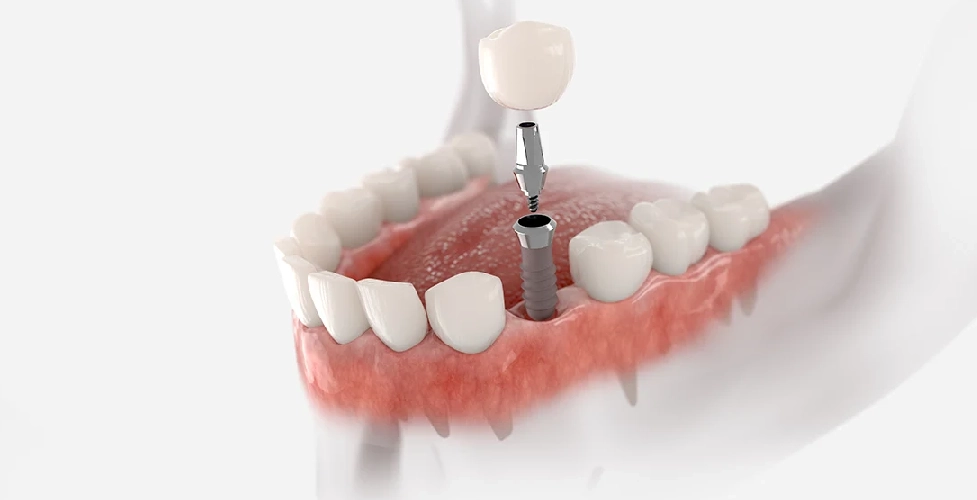
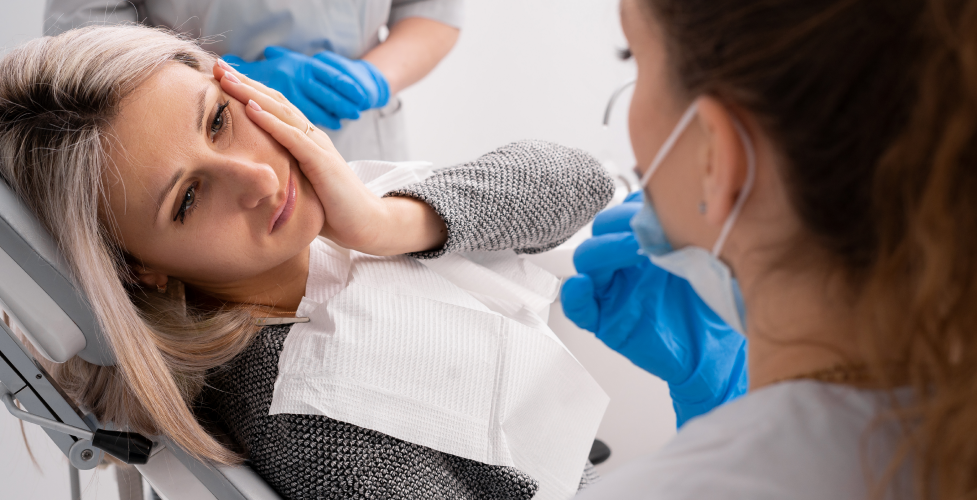
You’ve made it through the dental implant process. The post has integrated beautifully with your jawbone, and you’ve just had your final, beautiful, custom-made crown attached. You expect to feel nothing but joy, but instead, you’re feeling an unexpected twinge or soreness. If this is you, take a deep breath. It’s more common than you think.
At Brookline Smile Artists, we understand that any discomfort after what is supposed to be the final step can be concerning. However, a little post-placement tenderness is often a normal part of the process. This blog will delve into the unique reasons behind this discomfort, separate normal healing from signs that need attention, and provide you with practical, effective ways to find relief.
Understanding the Implant & Crown Process
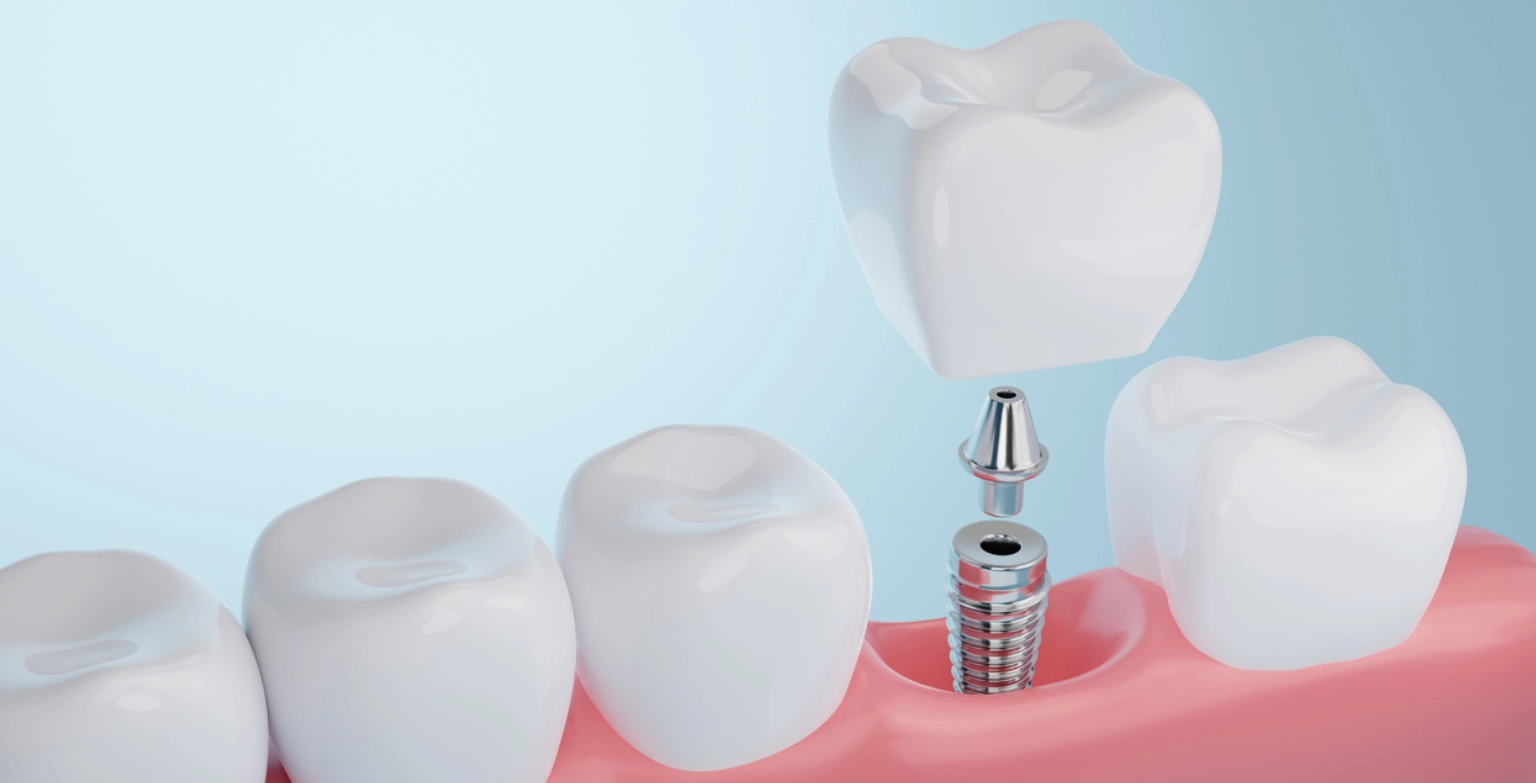
To understand the discomfort, it helps to remember the journey. A dental implant is a titanium screw that acts as an artificial tooth root, placed directly into your jawbone. After a healing period of several months (osseointegration), where the bone fuses with the implant, an abutment is attached. This abutment is the connector that holds your final crown, the tooth-like cap in place.
The placement of the crown is the culmination of this meticulous process. While it’s a non-surgical procedure compared to the initial implant placement, it still involves adjusting and securing a new component to a sensitive area.
Common Causes of Discomfort After a Crown is Placed
Post-Operative Adaptation: Normal Tissue Adjustment
It is common for your gums and oral tissues to require a period of adjustment to the new dental crown. This initial sensation is a normal part of the healing process and is typically temporary.
- What it feels like: General soreness or tenderness in the gums around the new crown, especially when chewing or brushing. This is typically mild and subsides within a few days to a week.
- Why it happens: The gums are sensitive and need time to adapt to the new contours and presence of the permanent crown. The process of seating the crown can temporarily irritate the soft tissue.
An Improper Bite
This is one of the most frequent and easily fixable causes of post-crown discomfort. A “high” or improperly balanced bite means that your new crown is making contact with the opposing teeth before the rest of your teeth do. This puts immense, concentrated pressure on the implant crown.
- What it feels like: A sharp pain when you bite down, a dull ache in the implant area, or even soreness in the opposing tooth. You might also feel like the tooth is “first to hit” when you close your mouth.
- Why it happens: Even with our state-of-the-art 3D planning technology at Brookline Smile Artists, the most minute miscalibration can occur once the crown is physically in your mouth. Your mouth provides the final test, and it’s incredibly sensitive to even the slightest imbalance.
Residual Cement Irritation
For cement-retained crowns, a small amount of dental adhesive is used to secure the crown to the abutment. If a tiny bit of excess cement squeezes out and isn’t completely removed, it can become trapped beneath the gumline.
- What it feels like: A persistent, dull ache, gum inflammation, redness, or swelling specifically around the implant site. It may feel similar to the beginning of a gum infection.
- Why it happens: This residual cement acts as a magnet for bacteria, leading to irritation and a condition known as peri-implant mucositis (inflammation of the gums around the implant). If left untreated, this can progress to more serious issues.
Early-Stage Peri-Implantitis
Peri-implantitis is an inflammatory condition similar to gum disease but around a dental implant. It affects both the soft gums and the underlying bone. While it doesn’t typically appear immediately after crown placement, the initial signs of inflammation can be mistaken for normal healing discomfort.
- What it feels like: Persistent swelling, redness, tenderness of the gums, and in more advanced stages, bleeding and even a loose implant.
- Why it happens: It’s caused by bacterial biofilm. If you have a history of gum disease or if oral hygiene around the new crown isn’t impeccable, the risk increases.
Referred Pain or Sinus Issues
If your dental implant is in your upper jaw, particularly towards the back (molar region), the root tips of your natural teeth are very close to your sinus cavities. The implant placement and the new pressures from the crown can sometimes irritate the sinuses or cause pain that feels like it’s coming from multiple teeth in the area.
- What it feels like: A dull, aching pressure in your upper jaw and cheekbone, or a headache. It may feel worse when you bend over.
- Why it happens: The sinus membrane is sensitive, and the proximity of the implant can lead to this transient referred pressure.
How to Relieve Discomfort at Home
For mild, normal post-procedural discomfort, these at-home strategies can be very effective.
- Over-the-Counter Pain Relievers: Medications like ibuprofen (Advil) or naproxen (Aleve) are excellent as they reduce both pain and inflammation. Acetaminophen (Tylenol) can help with pain but does not address inflammation. Always follow the dosage instructions and consult with your doctor if you have any health conditions.
- Salt Water Rinses: This is a simple, yet powerful, remedy. Mix one teaspoon of salt in a warm glass of water and gently swish for 30 seconds, 2-3 times a day. This helps soothe inflamed gums, promotes healing, and flushes away surface bacteria.
- Soft Food Diet: For the first few days, treat the area gently. Stick to soft foods like soup, yogurt, mashed potatoes, and smoothies. Avoid chewing directly on the new crown, especially with hard, crunchy, or sticky foods.
- Excellent, Yet Gentle, Oral Hygiene: It’s crucial to keep the area clean to prevent infection. Brush gently but thoroughly around the crown using a soft-bristled toothbrush. We often recommend using a water flosser on a low setting to carefully clean around the implant crown without causing trauma.
- Cold Compress: If you notice any external swelling on your cheek, applying a cold compress for 15-minute intervals can help reduce inflammation and numb the area slightly.
When to Call Your Brookline Implant Dentist
While some discomfort is normal, certain symptoms are red flags, so don’t wait for your discomfort to become severe, call us now!
- Pain that is severe, throbbing, or keeps you up at night.
- Discomfort that persists for more than one to two weeks.
- A clear feeling that the crown is “high” and hits first when you bite.
- Visible swelling, pus, or a foul taste in your mouth.
- The crown feels loose.
- Signs of an allergic reaction (very rare, but can include rash or itching).
Conclusion: Your Comfort is the Final Piece of the Puzzle
Experiencing some discomfort after your final crown is placed on a dental implant is normal to a restored smile. In most cases, it’s a temporary phase that resolves quickly with simple home care. However, listening to your body is key. Distinguishing between normal healing and a sign that something needs adjustment is crucial for the long-term success of your implant.
You have invested in a solution designed to last a lifetime. Don’t let temporary discomfort cause unnecessary worry, but also don’t ignore persistent pain. At Brookline Smile Artists, we are committed to ensuring your implant journey concludes with not just a beautiful smile, but a comfortable and healthy one.
If you are experiencing persistent discomfort after a crown placement or if you have any concerns about your dental implants, don’t hesitate to reach out to our expert team. Schedule a consultation with us today by calling (617) 982-2980. Let us help you achieve the comfortable, confident smile you deserve.
FAQs
How long is discomfort normal?
Mild tenderness typically subsides within a week. Sharp or persistent pain lasting more than two weeks is not normal and should be evaluated by your dentist.
Why does my bite feel off?
A slight adjustment period is common. However, a feeling that the new crown hits first or harder indicates a bite imbalance, which is a simple, quick fix at our office.
Can my implant crown get a cavity?
No, the crown material can’t decay. But poor hygiene can lead to gum disease around the implant (peri-implantitis), which is the primary threat to its long-term health.
How can I tell normal pain from an infection?
Normal healing pain is mild and fades. Signs of infection include throbbing, worsening pain, visible swelling, pus, or a fever.
My temporary felt fine, but the permanent crown hurts. Why?
This often points to a minor bite discrepancy with the final crown or irritation from residual cement. Both are easily resolved with a quick visit for an adjustment.

If you are looking for a dentist in Brookline, MA, schedule your consultation with the team at Brookline Smile Artists. We offer Cosmetic and Restorative Dentistry. We are located at 209 Harvard Street, Suite 402 in Brookline. Our office hours are Monday through Thursday from 7:30 AM to 5:30 PM and Friday from 8:00 AM to 2:00 PM.

One of the top rated dentists in Brookline, MA